Article 16 Authorisations: A Comprehensive Guide for European Drone Pilots
Article 16 Authorisations: A Comprehensive Guide for European Drone Pilots
Flying a drone in Europe? If you're operating beyond the Open category or have unique needs, Article 16 Authorisations could be the solution. But what does this mean, and how can you ensure compliance while staying safe and legal?
At 120mAGL.com, we specialize in providing European drone pilots with clear, actionable guidance on EASA regulations. In this article, we'll break down Article 16 Authorisations, explain how they work, and help you navigate the requirements step by step. Whether you're flying recreationally or commercially, this guide is designed to make complex regulations simple, practical, and easy to follow.
What Are Article 16 Authorisations?
Overview and Background
Article 16 Authorisations are a critical part of the EASA regulatory framework for unmanned aircraft systems (UAS). These authorisations are issued to recognized entities, such as model aircraft clubs and associations, allowing their members to operate drones under specific conditions tailored to their activities.
The concept behind Article 16 stems from the need to provide flexibility for operations that fall outside the Open category while still maintaining high safety standards. For example, recreational drone clubs often operate in controlled environments or with specific procedures that differ from standard rules. Article 16 ensures these operations can occur legally, with clear guidelines.
Why Do Article 16 Authorisations Exist?
The European Union Aviation Safety Agency (EASA) introduced Article 16 to recognize the unique needs of organized groups, such as model aircraft associations. These groups often have established safety protocols, training programs, and operational procedures that align with regulatory goals. By granting specific authorisations, EASA enables these groups to operate drones responsibly while accommodating their distinct circumstances.
Detailed Requirements for Article 16 Authorisations
Who Can Apply for Article 16 Authorisations?
To qualify for an Article 16 Authorisation, the applicant must be a recognized entity, such as a model aircraft club or association. These entities must demonstrate their ability to manage drone operations safely, provide training, and enforce operational standards among their members.
Operational Limitations and Conditions
Under Article 16, operations must adhere to specific conditions laid out in the authorisation. These may include:
- ▸Altitude limits: Operations under Article 16 typically include restrictions, such as the maximum altitude of 120 meters above ground level (AGL). This aligns with standard European drone rules to ensure safety and prevent interference with manned aircraft.
- ▸Geographical restrictions: Pilots may be required to operate in designated areas, such as club fields or predefined zones.
- ▸Training requirements: Members of the organization must complete required training and demonstrate competency before flying under the authorisation.
- ▸Risk assessments: The organization must conduct risk assessments to ensure safe operations.
These operational limitations are designed to balance flexibility with safety.
Key Safety Reminder: Always ensure your drone remains visible and under control during operations.
Documentation and Compliance
Entities applying for Article 16 Authorisations must provide:
- ▸Detailed operational procedures
- ▸Risk assessments tailored to their activities
- ▸Member training documentation
- ▸Safety management protocols
Once granted, the authorisation comes with ongoing responsibilities, such as reporting incidents and maintaining compliance with EASA regulations.
Practical Applications of Article 16 Authorisations
Example 1: A Model Aircraft Club
A model aircraft club wants to conduct drone races at their designated field. To do this legally, they apply for an Article 16 Authorisation, outlining their operational area, safety procedures, and member training protocols.
Once approved, members can fly drones in the designated area up to the 120m AGL limit, provided they follow the club's rules and the terms of the authorisation.
Example 2: Drone Photography Group
A drone photography group frequently operates in controlled environments to capture aerial images for creative projects. The group applies for an Article 16 Authorisation, specifying their operating locations and including risk assessments for each site.
With the authorisation, members can fly drones under the Specific category without needing individual authorisations for each location, as long as operations comply with the authorisation's conditions.
Common Questions and Challenges
Q: Can individual pilots apply for Article 16 Authorisations?
No, Article 16 Authorisations are issued to recognized entities, such as clubs or associations, not individual pilots. However, individual pilots can operate under the authorisation as members of the entity.Q: What if my operation doesn't fit into the Open category or Article 16?
If your operation falls outside the scope of both the Open category and Article 16 Authorisation, you may need to apply for an operational authorisation under the Specific category. This requires conducting a risk assessment, often using the Specific Operations Risk Assessment (SORA) methodology.Q: Do I need to report incidents under Article 16?
Yes, entities operating under Article 16 Authorisations must report incidents and ensure compliance with EASA's safety requirements. This helps maintain a high standard of safety across all operations.Q: Can I fly outside the designated area under Article 16?
No, operations under Article 16 are restricted to the geographical areas specified in the authorisation. Flying outside these areas would require compliance with other EASA regulations.Q: What training is required for members operating under Article 16?
Training requirements vary by authorisation but typically include theoretical knowledge, practical flight training, and competency assessments.Compliance Checklist
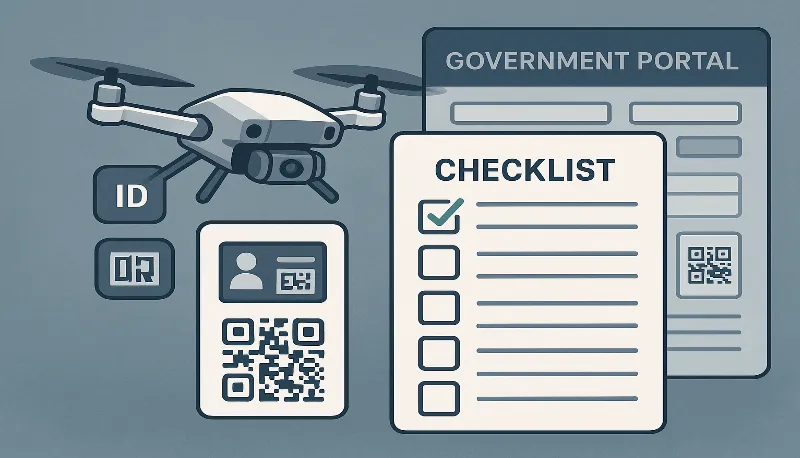
To ensure compliance with Article 16 Authorisations, follow these steps:
- Verify eligibility: Confirm that your organization qualifies for Article 16 Authorisation.
- Prepare documentation: Compile operational procedures, risk assessments, and training protocols.
- Submit application: Apply for the authorisation through the appropriate aviation authority.
- Train members: Ensure all members complete required training and competency assessments.
- Conduct operations: Follow the conditions outlined in the authorisation, including altitude and geographical restrictions.
- Report incidents: Notify authorities of any incidents or safety concerns promptly.
- Maintain compliance: Regularly review your operations to ensure ongoing compliance with the authorisation.
Real-World Case Studies
Case Study 1: A Model Aircraft Club's Journey
A model aircraft club in France wanted to host drone racing events. They applied for an Article 16 Authorisation, detailing their operational area, training programs, and safety measures.
After receiving approval, the club successfully hosted several events, attracting new members and promoting safe drone operations. They ensured compliance by conducting regular safety checks and reporting incidents.
Case Study 2: A Drone Photography Group's Success
A drone photography group in Germany sought an Article 16 Authorisation to conduct aerial shoots in restricted areas. They worked with local authorities to define safe operating zones and implemented rigorous training programs for members.
The authorisation allowed them to expand their operations, providing unique perspectives for their clients while maintaining compliance.
Key Takeaways
- ▸Article 16 Authorisations provide flexibility for organized groups, such as model aircraft clubs and drone associations.
- ▸Compliance requires detailed documentation, training, and adherence to specific conditions.
- ▸Operations under Article 16 must remain within designated areas and meet altitude restrictions, such as the 120m AGL limit.
- ▸Regular incident reporting and safety management are essential for maintaining authorisations.
Frequently Asked Questions
Q: Is Article 16 relevant for commercial drone pilots?
Yes, if you're part of a recognized organization operating under an authorisation. For individual commercial operations, the Specific category may be more applicable.Q: How long does it take to obtain an Article 16 Authorisation?
Processing times vary by country and authority, but thorough documentation can expedite the process.Q: Can I lose my Article 16 Authorisation?
Yes, failure to comply with conditions or report incidents can result in suspension or revocation of the authorisation.Conclusion
Article 16 Authorisations offer a unique opportunity for organized groups to conduct drone operations with greater flexibility while maintaining safety and compliance. By understanding the requirements and following best practices, you can unlock new possibilities for your drone activities.
At 120mAGL.com, we're committed to helping European drone pilots navigate the complexities of EASA regulations. For more detailed guidance, explore our other articles or contact us directly.
Resources
- ▸
- ▸
- ▸
Reminder: Regulations are subject to change. Always check the latest updates from EASA and your local aviation authority.
This comprehensive guide ensures you have the tools and knowledge needed to operate safely, legally, and responsibly under Article 16 Authorisations. Bookmark this page and make 120mAGL.com your trusted resource for European drone regulations.

About the Author
Roberto Gramellini
Aviation expert and UAS regulations specialist with extensive experience in EASA compliance and drone operations. Passionate about making complex regulations accessible to drone pilots across Europe.
EASA Regulatory Compliance Notice
This content is for educational purposes only and is based on EASA regulations current at the time of generation.
Always consult the official EASA documentation and your local aviation authorities for the most current regulations and legal compliance requirements before operating any UAS.