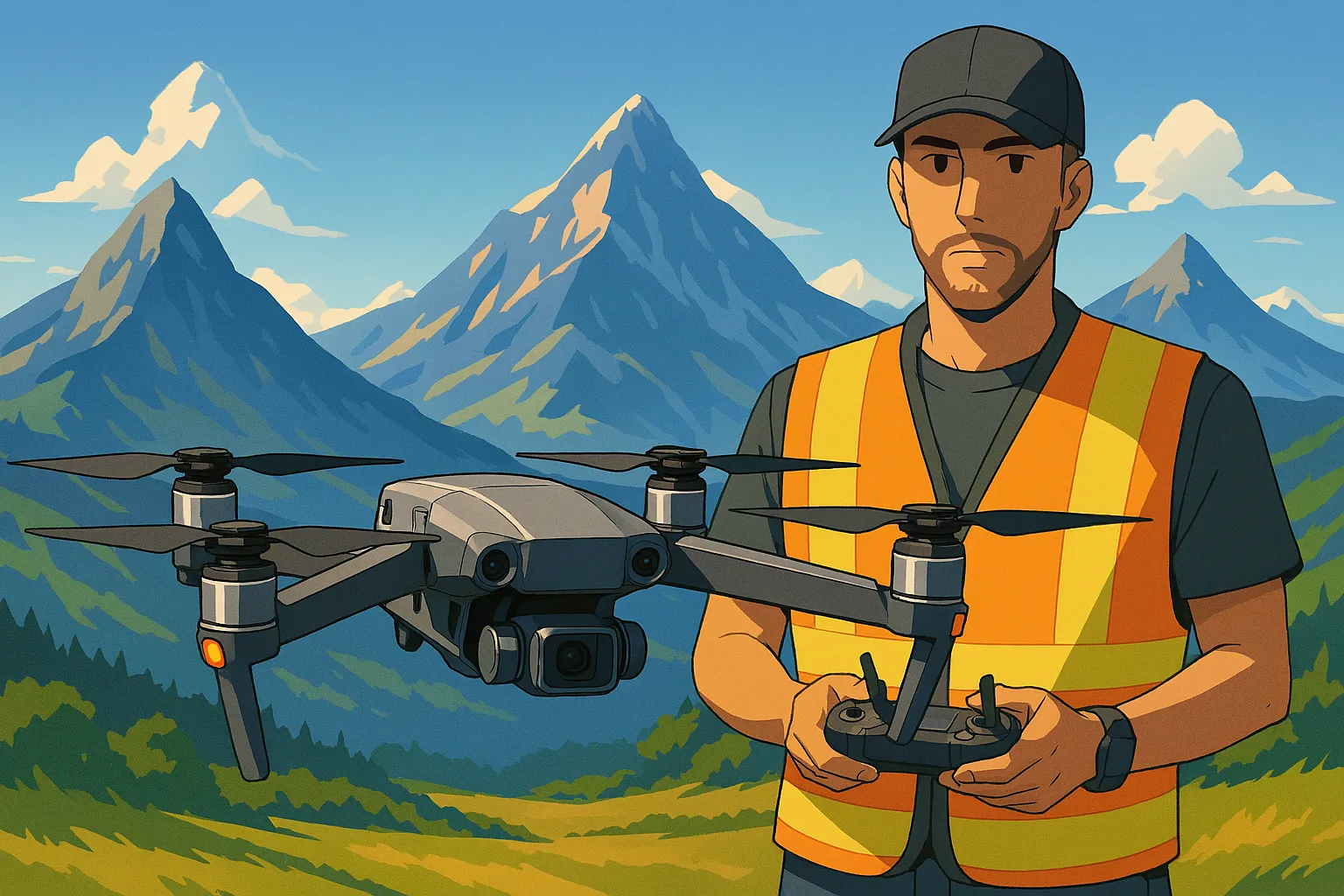
Understanding EASA's Flyer ID Test and Requirements: A Pilot's Guide
Understanding EASA's Flyer ID Test and Requirements: A Pilot's Guide
Flying drones in Europe comes with a unique set of responsibilities. One of the first steps to legally and safely operating a drone is obtaining a Flyer ID, a requirement established by the European Union Aviation Safety Agency (EASA). Whether you're a hobbyist or a professional drone operator, this guide will walk you through the Flyer ID test, its requirements, and how it impacts drone operations across Europe.
At 120mAGL.com, we aim to make complex regulations simple and actionable for drone pilots. With our focus on safety, compliance, and responsible flying, this guide will help you navigate the Flyer ID process with confidence.
What Is a Flyer ID?
A Flyer ID is an essential certification for anyone operating a drone or Unmanned Aircraft System (UAS) weighing over 250 grams or equipped with a camera in Europe. It demonstrates that you understand the rules, regulations, and safety measures required for legal drone operations.
The Flyer ID is part of EASA's efforts to ensure the safe integration of drones into European airspace. By requiring drone pilots to pass a competency test, EASA aims to reduce risks to people, property, and other airspace users.
Why Does EASA Require a Flyer ID?
EASA introduced the Flyer ID requirement to address the growing use of drones for recreational and commercial purposes. As drone technology advances, it becomes increasingly critical to ensure that operators understand how to minimize risks.
Key Reasons for Flyer ID Implementation:
- ▸Safety: Prevent accidents involving drones and other aircraft, people, and property.
- ▸Accountability: Ensure pilots are aware of their legal obligations under European drone regulations.
- ▸Airspace Integration: Facilitate the safe coexistence of drones with manned aircraft in shared airspace.
- ▸Public Assurance: Build trust in drone technology by promoting responsible operation.
Who Needs a Flyer ID?
You need a Flyer ID if:- ▸Your drone weighs 250 grams or more.
- ▸Your drone is equipped with a camera or other recording device, regardless of weight.
- ▸You plan to operate your drone in the Open, Specific, or Certified categories as defined by EASA regulations (Reg 2019/947 Art. 4).
However, if your drone weighs less than 250 grams and lacks a camera, you do not need a Flyer ID for recreational use (Reg 2019/947 Art. 4).
The Flyer ID Test: What to Expect
The Flyer ID test is an online theoretical exam designed to assess your knowledge of the rules and safety measures for drone operation.
Key Features of the Test:
- ▸Format: Multiple-choice questions.
- ▸Topics Covered:
- ▹General rules for drone operation in the Open category (Reg 2019/947 Art. 4, 5).
- ▹Airspace classifications and restrictions (Reg 2019/947 Art. 15).
- ▹Privacy and data protection regulations (Reg 2019/947 Art. 13).
- ▹Safety measures, including maintaining the 120m altitude limit (Reg 2019/947 Art. 4).
- ▸Passing Criteria: A minimum score of 75% is typically required to pass.
Step-by-Step Guide to Taking the Flyer ID Test
- Register with Your National Aviation Authority (NAA):
- Study the Official Materials:
- Schedule the Test:
- Take the Exam:
- Receive Your Flyer ID:
Common Questions and Challenges
Q1: What happens if I fail the Flyer ID test?
If you don't pass the test, you can retake it after reviewing the learning materials again. Most NAAs allow multiple attempts without additional charges.Q2: Is the Flyer ID valid across all EU member states?
Yes, your Flyer ID is valid across all EASA member states, ensuring you can fly legally in multiple countries without needing additional certification (Reg 2019/947 Art. 4).Q3: Can I fly my drone without a Flyer ID?
Flying a drone without a Flyer ID is illegal if your drone meets the weight or camera criteria. Non-compliance can result in fines and other penalties (Reg 2019/947 Art. 14).Q4: Do I need a separate operator registration?
Yes, the operator (whether an individual or organization) must register separately from the drone pilot. Both Flyer ID and Operator ID are mandatory (Reg 2019/947 Art. 14).Q5: How long is the Flyer ID valid?
The validity period of your Flyer ID depends on your NAA's specific rules. In most cases, it is valid for five years.Practical Applications: Flying with a Flyer ID
Example 1: Aerial Photography for Personal Use
Sarah owns a DJI Mini 3 Pro, which weighs just over 249 grams and has a built-in camera. To capture photos during her holiday in Spain, she must hold a Flyer ID, as her drone meets the regulatory criteria (Reg 2019/947 Art. 4).Before flying, Sarah ensures she is registered with the NAA in her home country and has completed the Flyer ID test. She also checks local rules regarding no-fly zones and privacy requirements (Reg 2019/947 Art. 15).
Example 2: Commercial Drone Operations
Mark operates a drone inspection service for solar farms in Germany. Since his drone exceeds 250 grams and he flies in the Specific category, he must hold both a Flyer ID and Operator ID (Reg 2019/947 Art. 4, 5).Mark prepares by studying the EASA guidelines and completing the Flyer ID test. He also submits an operational risk assessment to his NAA to ensure compliance with regulations (Reg 2019/947 Art. 11).
Compliance Checklist
To make sure you're fully compliant, follow these steps:
- ▹Is your drone over 250 grams?
- ▹Does it have a camera or recording device?
- Check your drone's weight and features:
- ▹Complete registration with your NAA.
- ▹Obtain an Operator ID if applicable.
- Register as a drone operator:
- ▹Study EASA regulations and safety guidelines.
- ▹Schedule and pass the online test.
- Pass the Flyer ID Test:
- ▹Attach your Operator ID to the drone.
- ▹Carry your Flyer ID when operating.
- Display Your IDs:
- ▹Review maps for restricted zones.
- ▹Comply with the 120m altitude limit.
- Understand Airspace Restrictions:
- ▹Avoid capturing identifiable images without consent.
- Follow Privacy Laws:
- ▹Conduct a pre-flight risk assessment.
- ▹Check for any temporary flight restrictions (TFRs).
- Plan Your Flight:
Key Takeaways
- ▸A Flyer ID is mandatory for drones weighing over 250 grams or equipped with cameras.
- ▸Passing the Flyer ID test ensures compliance with EASA regulations and promotes safe flying.
- ▸Always carry your Flyer ID and Operator ID when flying your drone.
- ▸Respect the 120m altitude limit and abide by all airspace restrictions.
- ▸Stay informed about regulatory updates from your NAA or 120mAGL.com.
Further Resources
- ▸
- ▸
- ▸Related article: Guide to Open Category Drone Operations
Conclusion
Obtaining a Flyer ID is a crucial step in becoming a responsible and compliant drone pilot in Europe. By understanding the requirements and following the steps outlined above, you can enjoy flying while ensuring the safety of others and preserving the integrity of shared airspace.
At 120mAGL.com, we are committed to providing clear, actionable guidance to help you navigate EASA regulations. Remember, responsible drone operation starts with you—study the rules, pass your Flyer ID test, and always prioritize safety in the skies!

About the Author
Roberto Gramellini
Aviation expert and UAS regulations specialist with extensive experience in EASA compliance and drone operations. Passionate about making complex regulations accessible to drone pilots across Europe.
EASA Regulatory Compliance Notice
This content is for educational purposes only and is based on EASA regulations current at the time of generation.
Always consult the official EASA documentation and your local aviation authorities for the most current regulations and legal compliance requirements before operating any UAS.