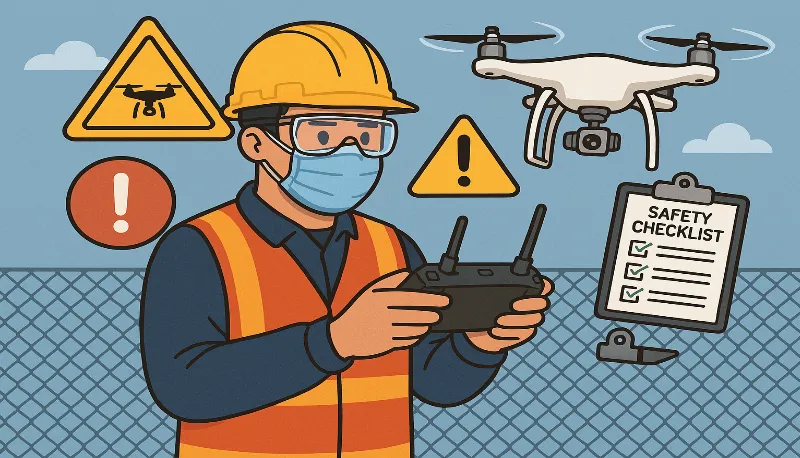
FAQ: Flyer ID Test and Requirements for European Drone Pilots
FAQ: Flyer ID Test and Requirements for European Drone Pilots
Welcome to the 120mAGL.com Flyer ID FAQ, designed to help European drone pilots navigate Flyer ID requirements and tests.
Whether you're a beginner or a seasoned professional, this guide explains what you need to know to comply with EASA regulations and fly safely.
General Questions
1. Do I need a Flyer ID to fly my drone in Europe?
Yes, most drone pilots must obtain a Flyer ID to operate drones in Europe legally. This applies to drones weighing over 250 grams or equipped with cameras or sensors capable of capturing personal data. Flyer IDs are part of the EU drone regulations to ensure pilots understand safety rules and responsibilities. Always check the specific requirements for your drone category and weight classification.2. How do I register for a Flyer ID?
To register for a Flyer ID, visit your national aviation authority's website (e.g., CAA in the UK). You will need to complete the online registration form, provide identification, and pay any applicable fees. After registering, you may need to pass an online test to demonstrate your knowledge of drone safety and regulations.3. What does the Flyer ID test cover?
The Flyer ID test assesses your knowledge of:- ▸Drone safety rules
- ▸Airspace restrictions
- ▸Privacy regulations
- ▸Emergency procedures
- ▸Responsible operation practices
The test is multiple-choice and typically takes about 30 minutes. Study materials are provided by your national aviation authority to help you prepare.
4. Do I need a Flyer ID for recreational drone flying?
Yes, recreational pilots must obtain a Flyer ID if their drone meets the criteria for registration, such as weighing over 250 grams or having a camera. This ensures all pilots understand basic safety and legal requirements.
5. How long is the Flyer ID valid?
Flyer IDs are usually valid for five years, but this may vary by country. Check with your national aviation authority for the exact duration and renewal requirements.
Operational Questions
6. Can I fly without a Flyer ID if my drone weighs less than 250 grams?
If your drone weighs less than 250 grams and does not have a camera or sensor, you may not need a Flyer ID. However, you must still follow basic safety rules, such as avoiding restricted airspace and maintaining visual line of sight (VLOS).7. What if I want to fly near an airport?
Flying near airports is strictly regulated. You must obtain special authorization from your national aviation authority and ensure compliance with airspace restrictions. Unauthorized flights near airports can result in severe penalties.8. What happens if I fly without a Flyer ID?
Flying without a valid Flyer ID when required is illegal and can result in fines, confiscation of your drone, or other penalties. Always ensure you meet registration and testing requirements before flying.Professional and Commercial Questions
9. Do commercial drone pilots need a Flyer ID?
Yes, commercial drone pilots must obtain a Flyer ID and often additional certifications, such as a Remote Pilot Certificate. Commercial operations may require compliance with more stringent safety and airspace rules.10. What are the requirements for flying drones in the ‘Specific’ category?
The Specific category covers operations that exceed the limits of the Open category, such as flights in populated areas or beyond visual line of sight (BVLOS). Pilots must submit an operational authorization application, including a risk assessment, to their national aviation authority and comply with SORA (Specific Operations Risk Assessment) standards. Regulations for this category are outlined in(Reg 2019/947 Art. 5).
11. Do I need insurance for commercial drone operations?
Yes, commercial drone operators are required to have liability insurance to cover potential damages caused during operations. Insurance requirements vary by country, but it is a critical part of compliance.Safety and Compliance Questions
12. How can I ensure compliance with the 120m altitude limit?
The maximum flight altitude in the Open category is 120 meters (approximately 400 feet). To ensure compliance:- ▸Use drones equipped with altitude-limiting features.
- ▸Regularly check your drone’s altitude during flight.
- ▸Avoid flying near obstacles or areas where exceeding the limit is likely.
(Reg 2019/947 Art. 4).
13. What are the privacy rules for flying drones with cameras?
When flying drones equipped with cameras or sensors, you must comply with GDPR (General Data Protection Regulation) and respect individuals' privacy. Avoid capturing images or data in areas where people expect privacy, such as residential properties.14. What should I do if my drone crashes?
In the event of a crash:- ▸Ensure the area is safe and free of hazards.
- ▸Report the incident to your national aviation authority if required.
- ▸Document the circumstances, including photos and witness accounts.
- ▸Repair or replace your drone before resuming flights.
15. How do I find restricted airspace maps?
Restricted airspace maps are available through drone apps, aviation authority websites, or online tools like Drone Assist (UK) or similar platforms in other European countries. Always check for updates before flying to avoid entering restricted zones.Disclaimer
- ▸Regulations may change—always verify with official sources.
- ▸This is educational content, not legal advice.
- ▸Consult official EASA documentation for complete requirements.
For more information, explore related guides on 120mAGL.com or contact your local aviation authority. Fly safe and stay compliant!

About the Author
Roberto Gramellini
Aviation expert and UAS regulations specialist with extensive experience in EASA compliance and drone operations. Passionate about making complex regulations accessible to drone pilots across Europe.
EASA Regulatory Compliance Notice
This content is for educational purposes only and is based on EASA regulations current at the time of generation.
Always consult the official EASA documentation and your local aviation authorities for the most current regulations and legal compliance requirements before operating any UAS.