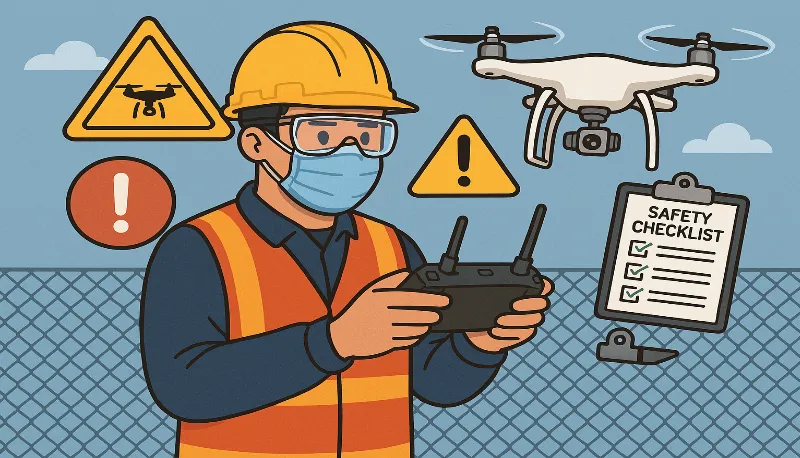
Frequently Asked Questions: State and Local Drone Laws in Europe
Frequently Asked Questions: State and Local Drone Laws in Europe
Below is a comprehensive FAQ designed for drone pilots operating within Europe under EASA regulations. Whether you're a beginner, an experienced pilot, or a commercial operator, these questions address key concerns about state and local drone laws.
Basic Questions for New Drone Pilots
1. Do I need a license to fly a drone in Europe?
Yes, most drone operations in Europe require registration and a competency certificate depending on the category of operation. If you're flying in the "Open" category, you must complete an online training and pass an exam to obtain the EU Drone Operator Certificate (Reg 2019/947 Art. 4).- ▸Open Category: For low-risk operations, such as flying within visual line of sight (VLOS) and below 120m altitude.
- ▸Specific Category: Higher-risk operations require an operational authorization from the National Aviation Authority (Reg 2019/947 Art. 5).
Always check your country’s specific requirements, as some national authorities may impose additional rules.
2. Can I fly my drone anywhere in my city?
No, you must follow airspace restrictions and local laws. Flying near airports, military zones, or over crowds is typically prohibited unless you have specific authorization (Reg 2019/947 Art. 15).
Before flying, check for restricted zones using EASA’s UAS geographical zones maps or your country’s equivalent.
3. What is the maximum altitude I can fly my drone?
The maximum altitude for drone operations in the "Open" category is 120 meters above ground level (Reg 2019/947 Art. 4).
- ▸This limit helps prevent conflicts with manned aircraft.
- ▸Flying above 120m requires authorization in the "Specific" or "Certified" category.
4. Do I need insurance for my drone?
Yes, liability insurance is required for most drone operations in Europe. The insurance must cover damages caused to third parties. Consult your local aviation authority for specific insurance requirements.5. Can I fly my drone at night?
Yes, but only under certain conditions. If you’re operating in the "Open" category, your drone must be equipped with lights visible from a distance to ensure visibility (Reg 2019/947 Art. 4).Operational Concerns for Active Pilots
6. What if I want to fly near an airport?
Flying near airports is strictly regulated. You cannot operate within controlled airspace or close to airports without prior authorization from the relevant air traffic control authority (Reg 2019/947 Art. 15).- ▸Use UAS geographical zones maps to identify restricted areas.
- ▸Always maintain a safe distance and avoid interfering with manned aircraft operations.
7. Can I fly over people or crowds?
Flying over uninvolved people or crowds is prohibited in the "Open" category unless your drone is classified as a C0 class (less than 250g) and adheres to specific safety requirements (Reg 2019/947 Art. 4).For heavier drones or operations involving crowds, you must obtain authorization under the "Specific" category.
8. What happens if I fly my drone in a restricted area?
Flying in a restricted area without authorization is a violation of EASA regulations and local laws. Penalties may include fines, confiscation of the drone, or legal action. Always check airspace restrictions before flying (Reg 2019/947 Art. 15).
9. Can I use my drone for photography or videography?
Yes, drones can be used for photography and videography, but you must comply with privacy laws and avoid capturing images of people without their consent. Additionally, ensure your operations follow EASA regulations and local rules regarding airspace and permissions.
10. How do I check if I’m allowed to fly in a specific area?
Use EASA’s UAS geographical zones maps or equivalent tools provided by your national aviation authority. These maps show restricted areas, controlled airspace, and zones where drone operations are prohibited or limited (Reg 2019/947 Art. 15).
Advanced Questions for Commercial Operators
11. What certifications do I need for commercial drone operations?
Commercial operators typically require an authorization in the "Specific" category or certification in the "Certified" category depending on the operation's complexity and risk level (Reg 2019/947 Art. 5, 6).- ▸Submit a risk assessment or use a predefined risk assessment (PDRA) to apply for operational authorization.
- ▸Obtain liability insurance for commercial operations.
12. Can I fly beyond visual line of sight (BVLOS)?
BVLOS operations are not permitted in the "Open" category. You must apply for authorization in the "Specific" or "Certified" category, which requires a detailed risk assessment and compliance with additional safety measures (Reg 2019/947 Art. 6).13. How do I handle data collected during commercial flights?
Data collected by drones must comply with GDPR (General Data Protection Regulation) in Europe. Protect individuals' privacy by securing data and avoiding unauthorized sharing. Consult legal experts for detailed compliance guidelines.14. What are the penalties for operating commercially without authorization?
Operating without proper authorization can result in significant penalties, including fines, suspension of operations, and legal action. Always ensure compliance with EASA regulations and local rules (Reg 2019/947 Art. 6).15. How do I apply for operational authorization in the "Specific" category?
To apply for operational authorization:- Conduct a risk assessment based on the Specific Operations Risk Assessment (SORA) methodology.
- Submit the assessment and application to your National Aviation Authority.
- Await approval before commencing operations (Reg 2019/947 Art. 6).
Safety Reminders and Legal Compliance
16. What should I do in case of an emergency during a flight?
Immediately prioritize safety:- ▸Land the drone safely if possible.
- ▸Avoid endangering people or property.
- ▸Report incidents to the relevant aviation authority if required (Reg 2019/947 Art. 19).
17. Can I face legal action for reckless drone operation?
Yes, reckless or negligent drone operation can lead to fines, legal action, and a ban on future drone use. Always operate responsibly and within the regulations (Reg 2019/947 Art. 15).18. How can I stay updated on drone regulations?
- ▸Regularly check EASA's official website for updates.
- ▸Follow your National Aviation Authority for local rules.
- ▸Subscribe to reliable drone resources like 120mAGL.com for news and guidance.
Disclaimers and Additional Resources
Regulations may change—always verify with official sources before flying. This content is educational and does not constitute legal advice. Consult official EASA documentation for complete requirements.
For more detailed guidance, visit EASA Drone Rules .
Promote safe and responsible flying practices with 120mAGL.com, your trusted resource for European drone regulations.

About the Author
Roberto Gramellini
Aviation expert and UAS regulations specialist with extensive experience in EASA compliance and drone operations. Passionate about making complex regulations accessible to drone pilots across Europe.
EASA Regulatory Compliance Notice
This content is for educational purposes only and is based on EASA regulations current at the time of generation.
Always consult the official EASA documentation and your local aviation authorities for the most current regulations and legal compliance requirements before operating any UAS.