**Pre-Flight Check and Safety Guidelines FAQ for European Drone Pilots**
Pre-Flight Check and Safety Guidelines FAQ for European Drone Pilots
Welcome to the 120mAGL.com FAQ section on Pre-Flight Check and Safety Guidelines! Whether you're a beginner or an experienced drone pilot, this guide will help you navigate essential pre-flight procedures and comply with EASA regulations. Safety and legal compliance are our top priorities—let’s get you flying responsibly!
General FAQs
1. Do I need to check the weather before flying my drone?
Yes, checking the weather is crucial for safe drone operations. Strong winds, rain, or fog can affect your drone's performance and safety. Use reliable weather apps and look for wind speeds below 5 m/s for optimal conditions.
Safety Tip: Avoid flying in extreme weather and ensure visibility is sufficient to maintain Visual Line of Sight (VLOS).
2. Do I need a checklist before every flight?
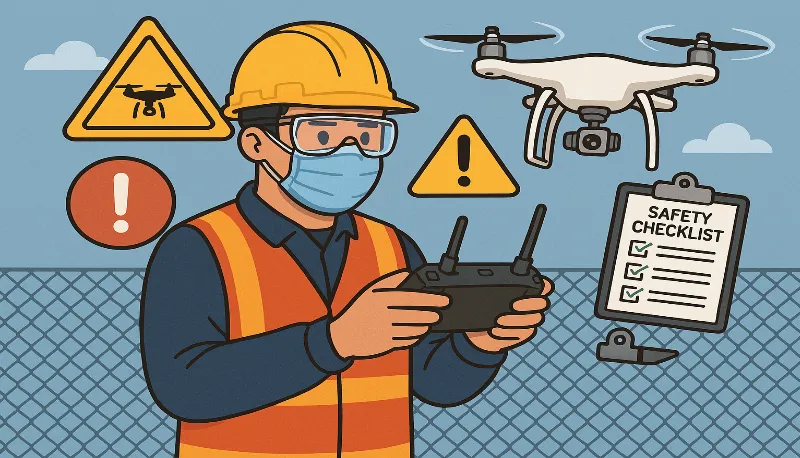
Absolutely! A pre-flight checklist ensures your drone is safe and ready to operate. Key items to include:- ▸Check battery levels.
- ▸Inspect propellers for damage.
- ▸Confirm GPS signal strength.
- ▸Verify firmware updates.
- ▸Ensure camera settings are correct.
A checklist not only improves safety but also helps you avoid operational errors during flight.
3. How do I check if my drone is in good condition before flying?
Perform a thorough pre-flight inspection:- ▸Inspect the drone body for cracks or damage.
- ▸Check propellers for wear and tear.
- ▸Test the remote control connection.
- ▸Ensure battery is fully charged and properly inserted.
- ▸Verify sensors and obstacle avoidance systems are functioning.
If your drone shows signs of wear, do not fly until repairs are completed.
4. What is the maximum altitude I can fly my drone?
In most European countries, the maximum altitude is 120 meters (400 feet) above ground level unless authorized otherwise. Exceeding this limit is considered a violation of EASA regulations and can result in penalties (Reg 2019/947 Art. 4).
5. How can I check if I’m flying in a restricted area?
Use official maps like EASA’s UAS geographical zones map or local airspace tools to check for restrictions. Look for:- ▸Prohibited zones (e.g., near airports or military bases).
- ▸No-fly zones for privacy or safety reasons.
- ▸Temporary restrictions due to events.
If uncertain, consult your local aviation authority before flying.
6. Do I need insurance to fly my drone?
Yes, insurance is required for drones weighing more than 20kg and strongly recommended for smaller drones. Liability insurance protects you in case of accidents or property damage during flight (Reg 2019/947 Art. 5).
Specific Flight Scenarios
7. Can I fly my drone near an airport?
Flying near airports is highly restricted. You must maintain at least 8km distance from airport boundaries unless you have explicit authorization (Reg 2019/947 Art. 4). Unauthorized flights near airports can result in severe penalties.
Safety Tip: Always check local UAS geographical zones for airport boundaries before planning your flight.
8. What if I want to fly over people or crowds?
Flying over uninvolved people is prohibited unless your drone is classified under the C0 or C1 category and meets specific requirements, such as weighing less than 250g and having low injury risk (Reg 2019/947 Art. 4). For operations over crowds, a special authorization is required.
9. What are the rules for night flying?
Night flying is permitted under EASA regulations if your drone has proper lighting for visibility and orientation (Reg 2019/947 Art. 4). Ensure you maintain VLOS at all times and avoid flying over people or restricted areas.
10. Can I fly my drone in urban areas?
Yes, but only under specific conditions:- ▸Ensure your drone meets the requirements of the Open Category (Reg 2019/947 Art. 4).
- ▸Avoid flying over uninvolved people or crowds.
- ▸Comply with local privacy laws and airspace restrictions.
Urban flights often require additional caution due to buildings, interference, and population density.
Commercial Operations FAQs
11. Do I need a license for commercial drone operations?
Yes, commercial pilots must complete the Remote Pilot Certificate training and pass an exam to operate drones for commercial purposes (Reg 2019/947 Art. 8). Additional certifications may apply depending on the operation type and drone category.
12. What are the requirements for BVLOS (Beyond Visual Line of Sight) operations?
BVLOS operations require:- ▸Specific authorization from your national aviation authority.
- ▸Reliable communication systems and fail-safe mechanisms.
- ▸Compliance with the Specific Category requirements (Reg 2019/947 Art. 6).
BVLOS flights are ideal for tasks like mapping, surveying, and inspections but involve stricter regulatory oversight.
13. How do I apply for operational authorization for complex missions?
Submit an operational risk assessment (ORA) to your national aviation authority. Include:- ▸Details of your mission.
- ▸Safety measures and risk mitigation strategies.
- ▸Drone specifications and pilot qualifications.
Authorization is required for Specific Category missions like high-altitude flights, urban operations, or BVLOS (Reg 2019/947 Art. 6).
Legal Compliance and Penalties
14. What happens if I fly my drone illegally?
Illegal operations can result in:- ▸Fines.
- ▸Suspension of your pilot certificate.
- ▸Criminal charges for severe violations like flying in restricted airspace or endangering public safety (Reg 2019/947 Art. 11).
Always ensure your flights comply with EASA regulations and local laws.
15. How do I report a safety incident or accident?
Report incidents immediately to your national aviation authority. Include:- ▸Description of the event.
- ▸Drone model and registration number.
- ▸Location and time of the incident.
Prompt reporting helps improve safety protocols and ensures compliance with EASA regulations (Reg 2019/947 Art. 11).
Closing Advice
Flying drones safely and legally requires preparation, compliance, and awareness. By following these FAQs and consulting official EASA documentation, you can enjoy a safe and rewarding drone operation experience.
Always consult official EASA documentation for complete requirements. Regulations may change—verify with local authorities before flying.
For more information, explore related topics on 120mAGL.com or reach out to your national aviation authority for specific guidance. Fly responsibly and stay safe!

About the Author
Roberto Gramellini
Aviation expert and UAS regulations specialist with extensive experience in EASA compliance and drone operations. Passionate about making complex regulations accessible to drone pilots across Europe.
EASA Regulatory Compliance Notice
This content is for educational purposes only and is based on EASA regulations current at the time of generation.
Always consult the official EASA documentation and your local aviation authorities for the most current regulations and legal compliance requirements before operating any UAS.