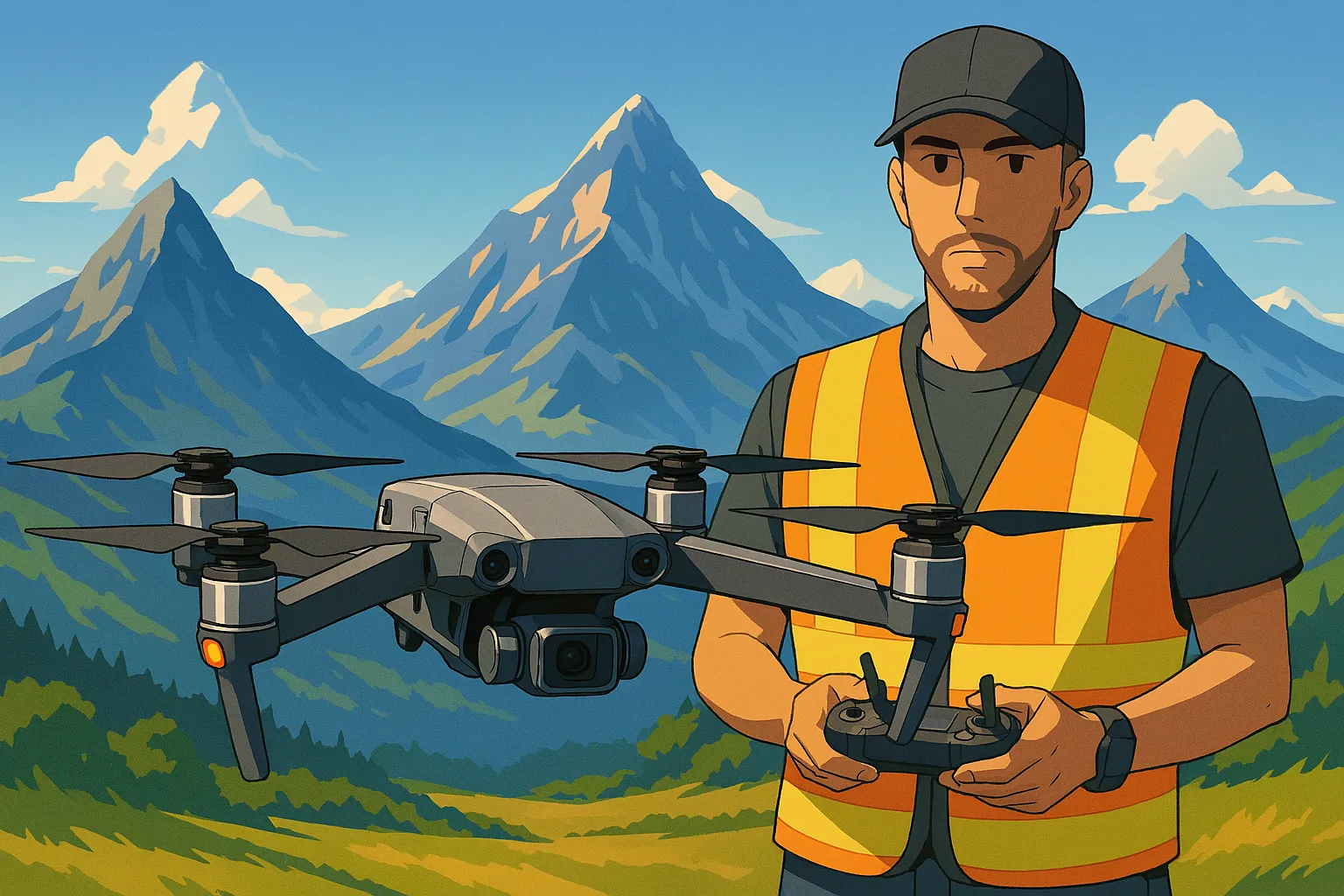
Pre-Flight Check and Safety Guidelines for European Drone Pilots
Pre-Flight Check and Safety Guidelines for European Drone Pilots
Your Definitive Guide to Flying Safely and Legally Under EASA Regulations
Introduction: Why Pre-Flight Checks Are Non-Negotiable
Imagine this: You're heading out for an early morning drone photography session in a picturesque European town. The weather is perfect, your drone is fully charged, and your creative vision is ready to take flight. But what happens if you skip your pre-flight checks? A low battery warning mid-flight? A lost GPS signal? Or worse—a crash that could result in property damage or legal consequences?
At 120mAGL.com, we understand that pre-flight preparation isn't just a best practice—it’s a crucial step in ensuring safety, compliance, and peace of mind. This comprehensive guide will walk you through actionable steps to conduct pre-flight checks, explain the EASA regulations you must follow, and provide real-world scenarios to help you operate your drone responsibly.
Why Pre-Flight Checks Are Crucial
The Importance of Safety and Compliance
Pre-flight checks are not just a formality; they are essential for safe and legal drone operations. They help you:- ▸Ensure operational safety: Prevent malfunctions that could jeopardize your flight.
- ▸Comply with regulations: Avoid penalties for violating EASA rules.
- ▸Protect your equipment: Extend the lifespan of your drone and accessories.
- ▸Respect privacy and airspace rules: Ensure you're not infringing on restricted zones or other people's privacy.
The Role of EASA Regulations
The European Union Aviation Safety Agency (EASA) sets regulations to ensure all drone pilots operate safely and responsibly. For example, drones must not exceed the 120m altitude limit in most areas unless specific authorization is granted (Reg 2019/947 Art. 4). Pre-flight checks help you confirm compliance with these requirements before takeoff.
Detailed Pre-Flight Checklist
H2: Step-by-Step Pre-Flight Procedures
1. Review Operational Limits
Before flying, verify your drone’s operational limits against EASA regulations. For example:- ▸Maximum altitude: 120m above ground level
(Reg 2019/947 Art. 4). - ▸Distance from people: Avoid flying directly over crowds unless operating in the Specific category
(Reg 2019/947 Art. 5).
2. Inspect Your Drone
Conduct a thorough physical inspection:- ▸Check for visible damage to the drone body, rotors, and sensors.
- ▸Ensure the propellers are securely attached.
- ▸Verify the battery is fully charged and securely installed.
3. Verify Firmware and Software Updates
Outdated firmware can lead to malfunctions or non-compliance with regulations. Always update your drone software before flying.4. Check GPS and Compass Calibration
Calibrate your drone’s GPS and compass to avoid issues with navigation or stability during flight.5. Assess Environmental Conditions
Evaluate weather conditions, including wind speed, visibility, and precipitation. Avoid flying in adverse conditions that could compromise safety.6. Plan Your Flight Path
Use apps or maps to identify restricted airspace, such as near airports or government buildings(Reg 2019/947 Art. 15).
Practical Application: Real-World Scenarios
Scenario 1: Aerial Photography in Urban Areas
A photographer operating a drone in a city center must ensure compliance with EASA regulations regarding proximity to people and structures(Reg 2019/947 Art. 5). Pre-flight checks include assessing the area for restricted zones and calibrating the drone’s sensors for precise navigation.
Scenario 2: Agricultural Surveying
When surveying farmland, pilots must ensure their drone does not exceed the 120m limit(Reg 2019/947 Art. 4). Pre-flight checks include verifying equipment functionality and confirming the flight path avoids nearby residential areas.
Scenario 3: Recreational Flying in Parks
Recreational pilots must respect privacy and avoid flying over populated areas. Pre-flight preparation involves checking local regulations and ensuring a safe distance from people(Reg 2019/947 Art. 5).
Common Questions and Challenges
Q1: What happens if I exceed the 120m altitude limit?
Exceeding this limit without authorization is a violation of EASA regulations and could result in penalties(Reg 2019/947 Art. 4). Always verify your altitude settings during pre-flight checks.
Q2: Can I fly my drone near an airport?
No. Flying near airports is restricted due to safety risks(Reg 2019/947 Art. 15). Use tools like drone flight maps to identify restricted zones.
Q3: Do I need insurance for my drone?
While not always mandatory, insurance is highly recommended for liability and equipment protection.Q4: How do I know if my drone complies with EASA regulations?
Check your drone’s specifications and consult the manufacturer’s guidelines. Ensure it meets the requirements outlined in(Reg 2019/947 Art. 4, 5).
Q5: Can I fly during the night?
Night flying is generally restricted unless specific authorization is granted(Reg 2019/947 Art. 15).
Compliance Checklist
Essential Steps for Legal Drone Operation
- ▹Open: Low-risk operations.
- ▹Specific: Higher risk; requires authorization.
- ▹Certified: Complex operations requiring certification.
- Understand EASA Categories
- Verify Registration
(Reg 2019/947 Art. 14).
- ▹Inspect equipment.
- ▹Assess weather conditions.
- ▹Plan your flight path.
- Conduct Pre-Flight Checks
- ▹Altitude: 120m max
(Reg 2019/947 Art. 4). - ▹Distance from people: Maintain safety margins
(Reg 2019/947 Art. 5).
- Follow Operational Limits
- Respect Privacy and Restricted Zones
(Reg 2019/947 Art. 15).
Case Studies
Example 1: Commercial Drone Delivery
A drone operator delivering packages must comply with the Specific category regulations(Reg 2019/947 Art. 5). Pre-flight checks include verifying the drone’s weight and ensuring the flight path avoids restricted zones.
Example 2: Filming a Sporting Event
Filming over crowds requires special authorization under the Specific category(Reg 2019/947 Art. 5). The operator must conduct pre-flight checks to confirm sensor accuracy and battery capacity.
Summary
Key Takeaways
- ▸Conduct thorough pre-flight checks to ensure safety and compliance.
- ▸Always respect the 120m altitude limit
(Reg 2019/947 Art. 4). - ▸Use tools to identify restricted zones and plan your flight path
(Reg 2019/947 Art. 15). - ▸Understand EASA’s three operational categories to determine the rules for your flight.
- ▸Prioritize safety and privacy in every operation.
Additional Resources
Recommended Reading
- ▸EASA Drone Regulations Explained
- ▸How to Register Your Drone in Europe
- ▸Flying Beyond Visual Line of Sight: What You Need to Know
Official Links
- ▸
- ▸
Final Thoughts
At 120mAGL.com, we believe in empowering drone pilots to fly safely and responsibly. Pre-flight checks are a cornerstone of responsible drone operation, ensuring not only compliance with EASA regulations but also the safety of people, property, and your equipment. By following the guidelines in this article, you can enjoy the full potential of your drone while respecting the rules that keep our skies safe.
Always stay informed and adapt to regulatory changes. Bookmark this guide and refer to it before every flight to ensure you’re flying confidently, safely, and legally.
Disclaimer: Regulations may change over time. Always consult the latest EASA documentation for the most accurate and up-to-date information.

About the Author
Roberto Gramellini
Aviation expert and UAS regulations specialist with extensive experience in EASA compliance and drone operations. Passionate about making complex regulations accessible to drone pilots across Europe.
EASA Regulatory Compliance Notice
This content is for educational purposes only and is based on EASA regulations current at the time of generation.
Always consult the official EASA documentation and your local aviation authorities for the most current regulations and legal compliance requirements before operating any UAS.