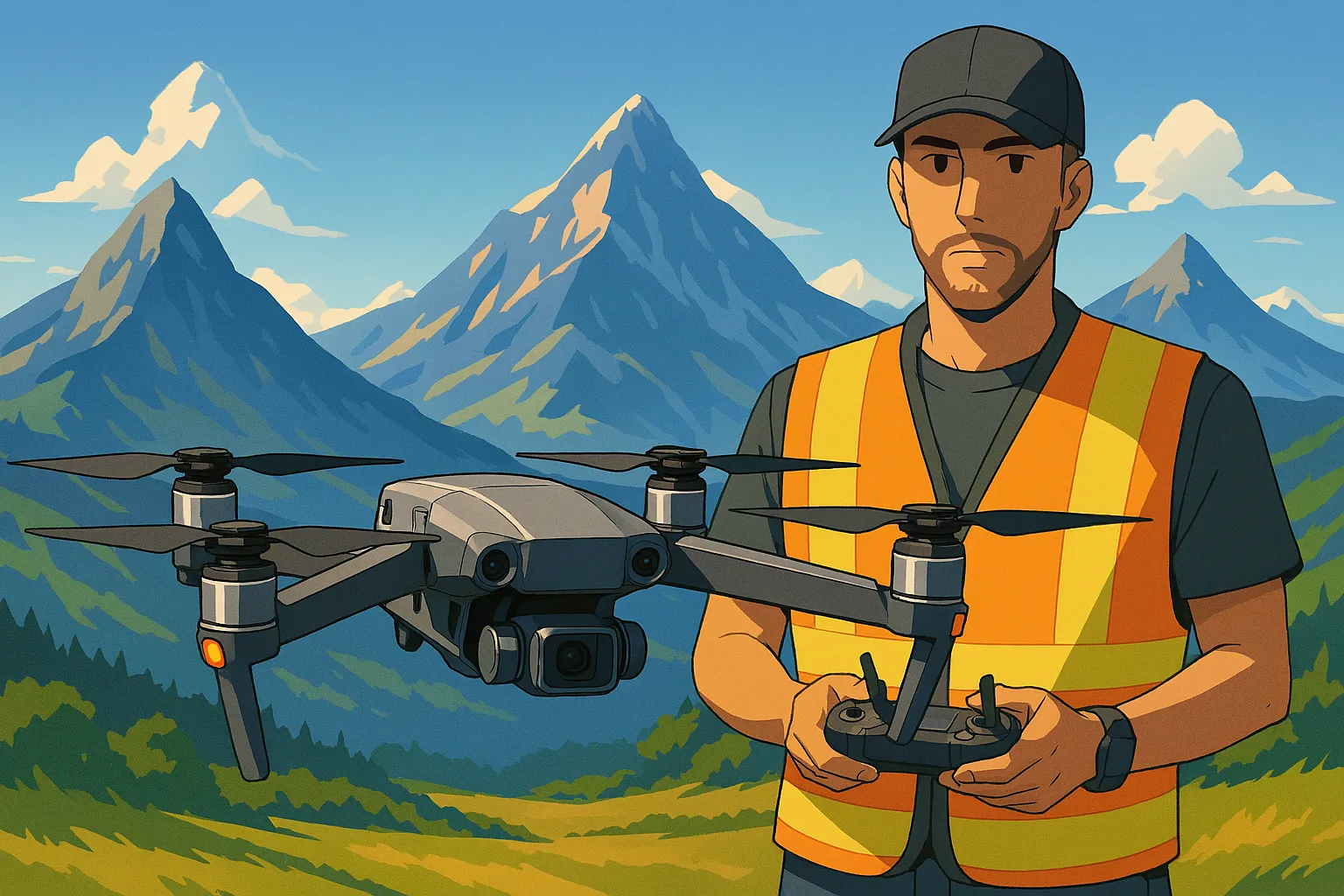
UK Geographic Zones and Restrictions: A Comprehensive Guide for Drone Pilots
UK Geographic Zones and Restrictions: A Comprehensive Guide for Drone Pilots
Flying drones in the UK is an exciting and rewarding activity, whether you're capturing stunning aerial footage or inspecting critical infrastructure. But with great opportunity comes great responsibility. The UK has specific geographic zones and restrictions that every drone pilot must understand to fly safely and legally.
At 120mAGL, we aim to make European drone regulations accessible and actionable for pilots like you. In this guide, we'll break down the rules governing drone operations within UK airspace, explain the implications of these regulations, and provide practical tips for compliance.
Whether you're a recreational drone operator or a professional pilot, this guide will help you navigate UK geographic zones and restrictions confidently.
Understanding UK Geographic Zones and Their Importance
What Are Geographic Zones?
Geographic zones in the UK define areas where drone operations are restricted, prohibited, or subject to specific conditions. These zones are often established for safety, security, and privacy reasons and include areas like airports, military zones, and national parks.
Why Do Geographic Zones Exist?
The creation of geographic zones is primarily to ensure the safety and security of airspace users, as well as to protect sensitive locations from potential risks. For instance:- ▸Airports: Prevent collisions between drones and manned aircraft.
- ▸Military Zones: Safeguard national security and prevent unauthorized surveillance.
- ▸Crowded Areas: Protect public safety and privacy.
These zones are essential for maintaining the integrity of UK airspace and minimizing risks associated with drone operations.
Detailed Requirements: UK Geographic Zone Regulations
To operate a drone legally in the UK, pilots must comply with specific regulations outlined in UK Regulation (EU) 2019/947. Here's what you need to know:
1. No-Fly Zones
Certain areas are designated as no-fly zones due to safety, security, or privacy concerns. These include:- ▸Prohibited areas: Locations where drone operations are strictly forbidden, such as military installations and sensitive infrastructure.
- ▸Restricted areas: Areas where drone operations are allowed but only under specific conditions, such as obtaining special permissions.
- ▸Controlled airspace: Areas near airports where drones must not interfere with manned aircraft operations (Reg 2019/947 Art. 15).
2. Flight Altitude Limits
In the UK, drones must not be flown higher than 120 meters above ground level, which ensures they remain safely below manned aircraft. Exceptions may apply under certain conditions, such as specific operational authorizations (Reg 2019/947 Art. 4).3. Flight Near Airports
Drone pilots must maintain a distance of at least 5 kilometers from airports unless granted explicit permission. This is crucial for preventing interference with flight operations (Reg 2019/947 Art. 15).4. Urban and Populated Areas
Flying over crowds, stadiums, and public events is prohibited unless the drone is authorized for such operations and the pilot has obtained prior permission. This rule ensures public safety and privacy (Reg 2019/947 Art. 15).How to Identify and Avoid Restricted Zones
Tools for Locating Geographic Zones
There are several resources available to help pilots identify restricted zones:- ▸Drone Assist App: A free app provided by NATS (National Air Traffic Services) to locate restricted areas.
- ▸CAA Maps: The Civil Aviation Authority (CAA) offers detailed maps and online tools showing UK airspace restrictions.
- ▸NOTAMs: Notice to Airmen (NOTAMs) provide temporary updates on airspace restrictions.
Planning Your Flight
- ▸Check Restrictions Before Flying: Always consult the latest maps and NOTAMs to ensure your flight path avoids restricted zones.
- ▸Use Real-Time Updates: Utilize apps with real-time data to stay informed about temporary or dynamic restrictions.
- ▸Factor in Weather Conditions: Avoid flying in poor weather, as it can affect visibility and increase risks.
Common Questions and Challenges
1. Can I fly near a restricted area if I stay below 120 meters?
No. Even if you stay below the altitude limit, you cannot operate within a restricted area without proper authorization (Reg 2019/947 Art. 15).2. What happens if I accidentally fly into a restricted zone?
Accidentally entering a restricted zone can result in penalties, including fines or confiscation of your drone. If this occurs, immediately exit the zone and report the incident to the CAA.3. Do I need special equipment for flying near controlled airspace?
Yes. You may require electronic conspicuity devices or Remote ID systems to comply with requirements for operations near controlled airspace (CAP 1391).4. Can recreational drones fly in urban areas?
Recreational drones can only fly in urban areas if they meet Open Category requirements and maintain safe distances from people and property (Reg 2019/947 Art. 4).Compliance Checklist
Use this step-by-step guide to ensure you comply with UK geographic zone regulations:- Check Geographic Zones: Use the Drone Assist app and CAA maps to identify restricted areas.
- Verify Permissions: Obtain necessary authorizations for flights in restricted zones.
- Conduct a Risk Assessment: Evaluate potential risks and implement measures to mitigate them.
- Follow Altitude Limits: Do not exceed the 120m AGL limit.
- Use Remote ID: Ensure your drone is equipped with Remote ID if required.
- Monitor Weather Conditions: Avoid flying in adverse weather for safety.
Real-World Examples: Navigating Geographic Zones
Example 1: A Photographer Operating Near a Historic Site
A photographer plans to capture aerial shots of a historic site located within a restricted area. Before flying, they:- ▸Check the CAA map for restrictions.
- ▸Apply for permission from the relevant authority.
- ▸Conduct a risk assessment and ensure their drone is equipped with Remote ID.
- ▸Maintain a safe distance from people and structures.
Example 2: A Commercial Operator Inspecting Power Lines
A commercial operator needs to inspect power lines located near an airport. They:- ▸Consult the Drone Assist app to confirm the location falls within controlled airspace.
- ▸Submit an application for special authorization to the CAA.
- ▸Use electronic conspicuity devices to ensure compliance with airspace requirements.
Safety Reminders
Always prioritize safety and compliance. Flying in restricted zones without proper authorization can pose significant risks to people, property, and other airspace users.
Maintain situational awareness. Continuously monitor your drone's position relative to restricted areas to avoid accidental incursions.
Stay updated. Regulations and geographic zones may change. Regularly check official sources and update your flight planning tools.
Conclusion
Flying drones in the UK offers incredible opportunities, but it requires careful planning and adherence to geographic zone restrictions. By understanding these rules and using tools like the Drone Assist app, you can fly safely, legally, and responsibly.
At 120mAGL, we're committed to helping drone pilots navigate European regulations with confidence. Bookmark this guide and stay tuned for updates to ensure your drone operations remain compliant.
Further Resources
- ▸
- ▸
- ▸
Disclaimer: Regulations may change. Always refer to the latest official documentation for accurate and up-to-date information.

About the Author
Roberto Gramellini
Aviation expert and UAS regulations specialist with extensive experience in EASA compliance and drone operations. Passionate about making complex regulations accessible to drone pilots across Europe.
EASA Regulatory Compliance Notice
This content is for educational purposes only and is based on EASA regulations current at the time of generation.
Always consult the official EASA documentation and your local aviation authorities for the most current regulations and legal compliance requirements before operating any UAS.