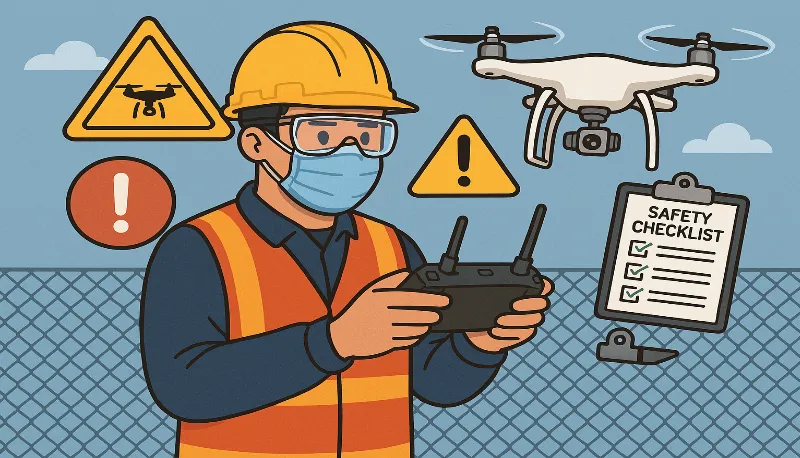
**UK Geographic Zones and Restrictions FAQ for Drone Pilots**
UK Geographic Zones and Restrictions FAQ for Drone Pilots
Welcome to our FAQ section on UK Geographic Zones and Restrictions for drone operations. Whether you're a beginner, an experienced pilot, or a commercial operator, this guide will help you understand the rules and regulations you need to follow when flying drones in the UK.
General Questions
1. What are UK geographic zones for drones?
Geographic zones are specific areas in the UK airspace where drone operations are restricted, prohibited, or subject to specific conditions. These zones are defined to protect sensitive areas such as airports, military installations, critical infrastructure, and populated zones.You can find information about these zones on the UK Civil Aviation Authority's (CAA) Drone Safety Map or through apps that integrate airspace data, such as Drone Assist.
2. How can I find out if my flying location is in a restricted zone?
The easiest way to check is by using the Drone Assist app or an alternative app approved by the UK CAA. These tools display real-time airspace restrictions, including temporary restrictions like NOTAMs (Notice to Airmen).3. What is the maximum altitude I can fly my drone in the UK?
Drone pilots must not exceed an altitude of 120 metres (400 feet) above ground level unless they have specific authorization. This limit helps avoid conflicts with manned aircraft.4. Do I need permission to fly in restricted zones?
Yes, flying in restricted zones requires prior authorization. For example, to fly near an airport, you must obtain permission from the relevant air traffic control or the aerodrome operator. Unauthorized flights in restricted zones can result in penalties.5. How do I know if a Temporary Flight Restriction (TFR) is active?
Temporary Flight Restrictions (TFRs) are issued for events such as airshows, emergencies, or VIP movements. Check the NOTAMs (Notice to Airmen) via the Drone Assist app or the NATS Aeronautical Information Service website before each flight.Beginner Pilot Questions
6. Can I fly my drone in parks or public spaces?
In most cases, you can fly drones in parks and public spaces as long as:- ▸The park does not explicitly ban drones (check local council regulations).
- ▸You follow the Drone Code, including keeping 50 metres away from people and property.
- ▸You avoid flying over crowds or near airports.
Always check for any local restrictions before flying.
7. What happens if I accidentally fly into a restricted zone?
Flying into a restricted zone without authorization is considered a violation of UK drone regulations. You could face penalties, including fines or the confiscation of your drone. To avoid this, always plan your flight carefully and use an app like Drone Assist to check for restrictions.Experienced Pilot Questions
8. Can I fly near an airport if I stay below 120 metres?
No, flying near airports is strictly regulated. Airports are surrounded by Flight Restriction Zones (FRZs), and all drone operations within these zones require permission from air traffic control or the aerodrome operator. Flying without authorization is illegal and poses serious safety risks.9. What are the rules for flying over water bodies or coastal areas?
Flying over water is permitted, but you must comply with the Drone Code, including staying within visual line of sight (VLOS) and maintaining a safe distance from boats and people. Be cautious of wildlife protection zones, as disturbing wildlife can lead to penalties.Professional Operator Questions
10. Can I fly in congested areas for commercial purposes?
Yes, but you'll need an Operational Authorisation from the CAA if your flight falls under the Specific Category. This involves demonstrating that your operations meet safety requirements and submitting a risk assessment using the Specific Operations Risk Assessment (SORA) framework.11. What are the requirements for flying Beyond Visual Line of Sight (BVLOS)?
BVLOS operations require advanced permissions and compliance with specific safety standards. You’ll need to:- ▸Use approved detect-and-avoid systems.
- ▸Obtain a BVLOS authorization from the CAA.
- ▸Submit a detailed safety case.
BVLOS operations are typically reserved for professionals conducting surveys, inspections, or deliveries.
All Pilot Questions
12. What safety precautions should I take before flying my drone?
To ensure safe and compliant operations:- ▸Check the weather conditions.
- ▸Confirm your drone is functioning properly.
- ▸Review the Drone Assist app for restrictions and NOTAMs.
- ▸Ensure you have valid insurance if required.
13. What are the penalties for violating drone regulations?
Penalties for violating UK drone regulations include:- ▸Fines of up to £1,000 for minor infractions.
- ▸Criminal charges for serious breaches, such as endangering aircraft.
- ▸Confiscation of your drone.
Always operate within the rules to avoid penalties and protect public safety.
14. Can drones fly at night in the UK?
Yes, drones can be flown at night, but you must follow the Drone Code and maintain VLOS. For commercial night operations in the Specific Category, additional permissions may be required.15. What should I do if I see someone flying a drone irresponsibly?
Report irresponsible drone use to the CAA or local police if it poses a safety risk. Provide as much detail as possible, including location, time, and description of the drone.Safety Reminders
- ▸Always follow the Drone Code: Stay under 120 metres, maintain VLOS, keep away from people and property, and respect privacy.
- ▸Plan your flights carefully and check for restrictions using official tools like Drone Assist.
- ▸Consult the CAA and EASA documentation for detailed regulatory requirements.
For more information, visit 120mAGL's UK Drone Regulations Hub or UK CAA Drone Guidance .
Disclaimer: Regulations may change—always verify with official sources. This is educational content, not legal advice.

About the Author
Roberto Gramellini
Aviation expert and UAS regulations specialist with extensive experience in EASA compliance and drone operations. Passionate about making complex regulations accessible to drone pilots across Europe.
EASA Regulatory Compliance Notice
This content is for educational purposes only and is based on EASA regulations current at the time of generation.
Always consult the official EASA documentation and your local aviation authorities for the most current regulations and legal compliance requirements before operating any UAS.