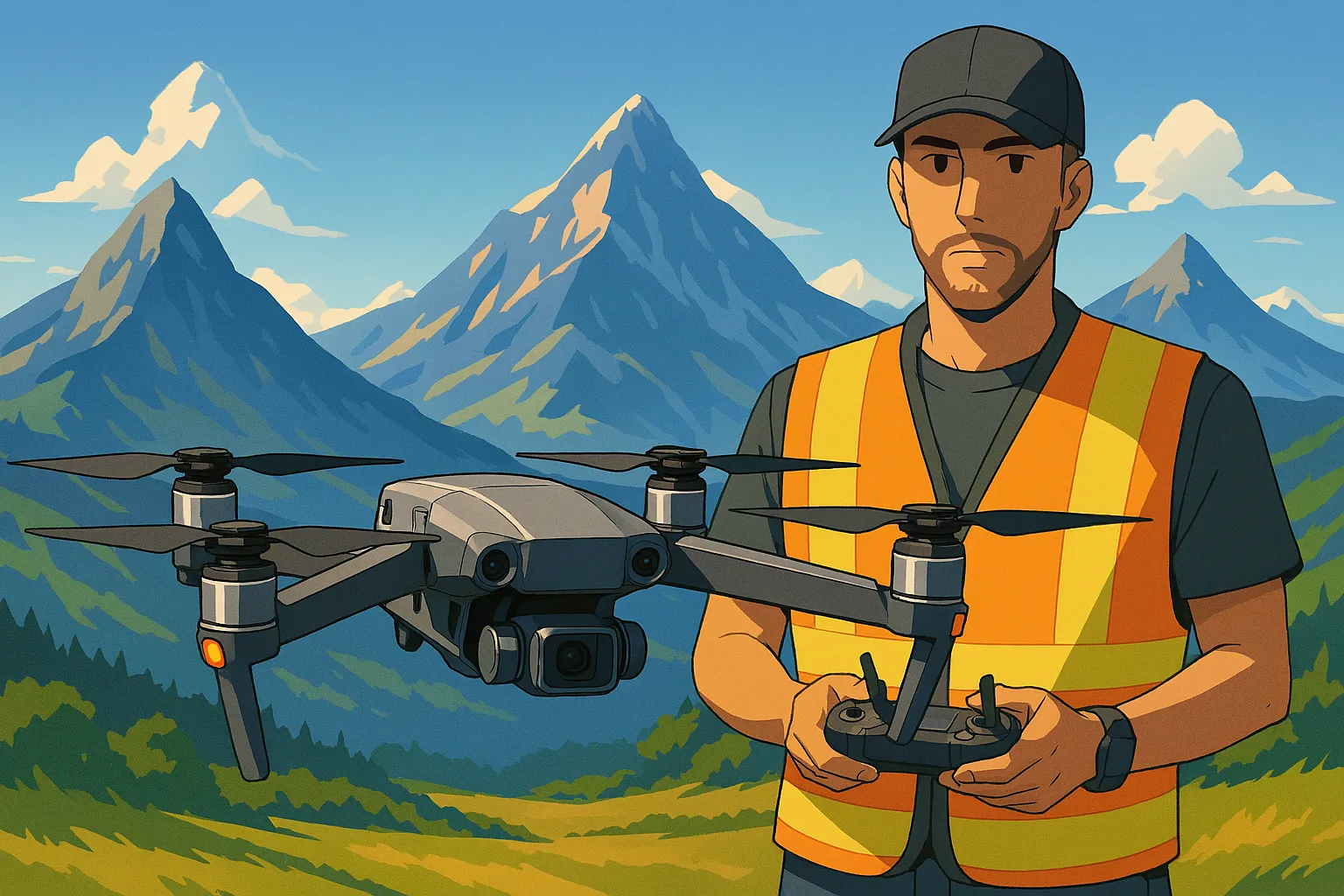
TRUST Test for Recreational Flyers: A Comprehensive Guide for European Drone Pilots
TRUST Test for Recreational Flyers: A Comprehensive Guide for European Drone Pilots
Flying a drone recreationally can be one of the most exciting ways to explore the skies and capture breathtaking aerial views. But with great freedom comes great responsibility—and compliance. If you’re flying a drone for fun in Europe, it’s essential to understand the rules, particularly the TRUST test and its implications for recreational flyers.
At 120mAGL.com, we know European drone pilots want clear, actionable guidance to fly safely and legally. This comprehensive guide will walk you through everything you need to know about the TRUST test, EASA regulations, and how to stay within the 120m altitude limit.
What Is the TRUST Test and Why Does It Matter?
Imagine this: You’re flying your drone over a scenic park, capturing stunning footage of lush landscapes. Suddenly, a park ranger approaches and asks if you’re familiar with the rules for recreational drone use. Would you confidently say yes?
The TRUST test (The Recreational UAS Safety Test) ensures recreational drone pilots understand their responsibilities when flying. It’s a mandatory step for compliance with European drone regulations, designed to promote safe and responsible flying practices.
In this article, we’ll cover:- ▸The purpose and requirements of the TRUST test
- ▸How EASA regulations impact recreational drone pilots
- ▸Practical steps to prepare for and pass the TRUST test
- ▸Common misconceptions and how to avoid them
- ▸Real-world examples to help you apply the rules
Overview and Background
Why Was the TRUST Test Introduced?
The TRUST test was created to address the growing popularity of drones and the need to ensure safety in shared airspace. Recreational flyers often lack formal aviation training, making it critical to provide accessible education on airspace rules, safety, and compliance.EASA regulations emphasize the importance of maintaining safe distances from other aircraft, people, and property, as well as adhering to altitude limits. The TRUST test equips recreational pilots with this knowledge in a structured, standardized way.
Detailed Requirements
Who Needs to Take the TRUST Test?
Under EASA regulations, all recreational drone pilots operating drones in the Open Category must complete the TRUST test if their drone exceeds certain weight thresholds or if the operation involves risks to uninvolved people (Reg 2019/947 Art. 4).Pilots flying drones under 250g, such as toy drones, are exempt from the test unless the drone is equipped with a camera or sensors capable of capturing personal data (Reg 2019/947 Art. 5).
What Does the TRUST Test Cover?
The TRUST test includes questions on the following topics:- ▸Airspace classifications: Understanding restricted zones, no-fly areas, and controlled airspace.
- ▸Altitude limits: The 120m maximum height rule for drones in Europe (Reg 2019/947 Art. 4).
- ▸Privacy and data protection: Rules for capturing images and videos of people and private property.
- ▸Safety procedures: Pre-flight checks, maintaining visual line-of-sight (VLOS), and emergency protocols.
Practical Application
How to Prepare for the TRUST Test
Preparing for the TRUST test involves familiarizing yourself with European drone regulations and best practices for safe flying. Here’s a step-by-step guide:- Review EASA Regulations
- Study Airspace Maps
- Understand Altitude Limits
- Take an Online Practice Test
- Register Your Drone
Example Scenario: A Photographer Operating a Drone
Imagine you’re a photographer using a DJI Mini 3 Pro to capture aerial shots of a wedding venue. The drone weighs under 250g, but it’s equipped with a high-resolution camera.
- ▸Step 1: Register the drone under EASA’s Open Category rules.
- ▸Step 2: Study airspace classifications to ensure the venue isn’t in a restricted area.
- ▸Step 3: Complete the TRUST test to demonstrate your understanding of safety and privacy regulations.
Common Questions and Challenges
Q1: Do I Need to Take the TRUST Test for Every Drone I Fly?
No, the TRUST test is linked to the pilot, not the drone. Once you pass the test, you can operate any recreational drone within the Open Category.Q2: What Happens If I Fail the TRUST Test?
You can retake the test as many times as needed. The goal is to ensure you understand the rules, not to disqualify you from flying.Q3: Can I Fly Higher Than 120m If There’s No Air Traffic Nearby?
No, the 120m altitude limit applies regardless of traffic conditions (Reg 2019/947 Art. 4). Exceptions require special authorization.Q4: Are Drones Under 250g Always Exempt from the TRUST Test?
Not necessarily. Drones under 250g with cameras or other data-collection sensors may require the test to ensure privacy compliance (Reg 2019/947 Art. 5).Compliance Checklist
Follow this checklist to ensure full compliance with recreational drone regulations:
- ▹Review study materials and practice tests.
- ▹Take the test and retain your certificate.
- Complete the TRUST Test
- ▹Check weight and equipment requirements for registration.
- Register Your Drone
- ▹Verify weather conditions, battery levels, and GPS settings.
- Conduct Pre-Flight Checks
- ▹Set your drone’s maximum altitude to 120m in its flight software.
- Adhere to the 120m Altitude Limit
- ▹Avoid flying over crowds, private property, or sensitive areas.
- Respect Privacy and Safety Rules
Case Studies or Examples
Example 1: Recreational Flying in a National Park
A drone enthusiast decides to fly their Mavic Air 2 in a national park. They complete the TRUST test, register the drone, and check local airspace maps for restrictions. By staying within the 120m limit and avoiding areas with uninvolved people, they enjoy a safe, compliant flight.Example 2: Urban Photography with a Mini 2
A hobbyist uses a DJI Mini 2 to photograph cityscapes. They ensure the drone’s camera doesn’t capture identifiable faces or private property without consent. After completing the TRUST test, they confidently operate within VLOS and the altitude limit.Summary
Key Takeaways for Recreational Flyers
- ▸The TRUST test is mandatory for most recreational drone pilots under EASA regulations (Reg 2019/947 Art. 4, 5).
- ▸Always adhere to the 120m altitude limit and respect privacy laws.
- ▸Preparation is key: study airspace rules, conduct pre-flight checks, and ensure your drone complies with registration requirements.
By following these guidelines, you’ll not only fly safely but also protect the rights of others and preserve the integrity of shared airspace.
Further Resources
Related Articles on 120mAGL.com
- ▸[EASA Open Category Drone Rules Explained]
- ▸[How to Stay Within the 120m Altitude Limit]
- ▸[Drone Registration Requirements in Europe]
Official EASA Documentation
- ▸
- ▸
Final Thoughts
At 120mAGL.com, we’re committed to helping European drone pilots navigate the skies responsibly. Regulations like the TRUST test may seem daunting at first, but they’re essential for ensuring safety and compliance.
Always stay updated on the latest rules and remember: safe flying starts with informed pilots. Bookmark this guide and visit us regularly for more expert advice on European drone regulations!Safety Reminder:
- ▸Never fly higher than 120m.
- ▸Always keep your drone in visual line-of-sight.
- ▸Respect privacy and avoid flying over crowds or restricted areas.
Fly smart. Fly safe. Fly responsibly.

About the Author
Roberto Gramellini
Aviation expert and UAS regulations specialist with extensive experience in EASA compliance and drone operations. Passionate about making complex regulations accessible to drone pilots across Europe.
EASA Regulatory Compliance Notice
This content is for educational purposes only and is based on EASA regulations current at the time of generation.
Always consult the official EASA documentation and your local aviation authorities for the most current regulations and legal compliance requirements before operating any UAS.