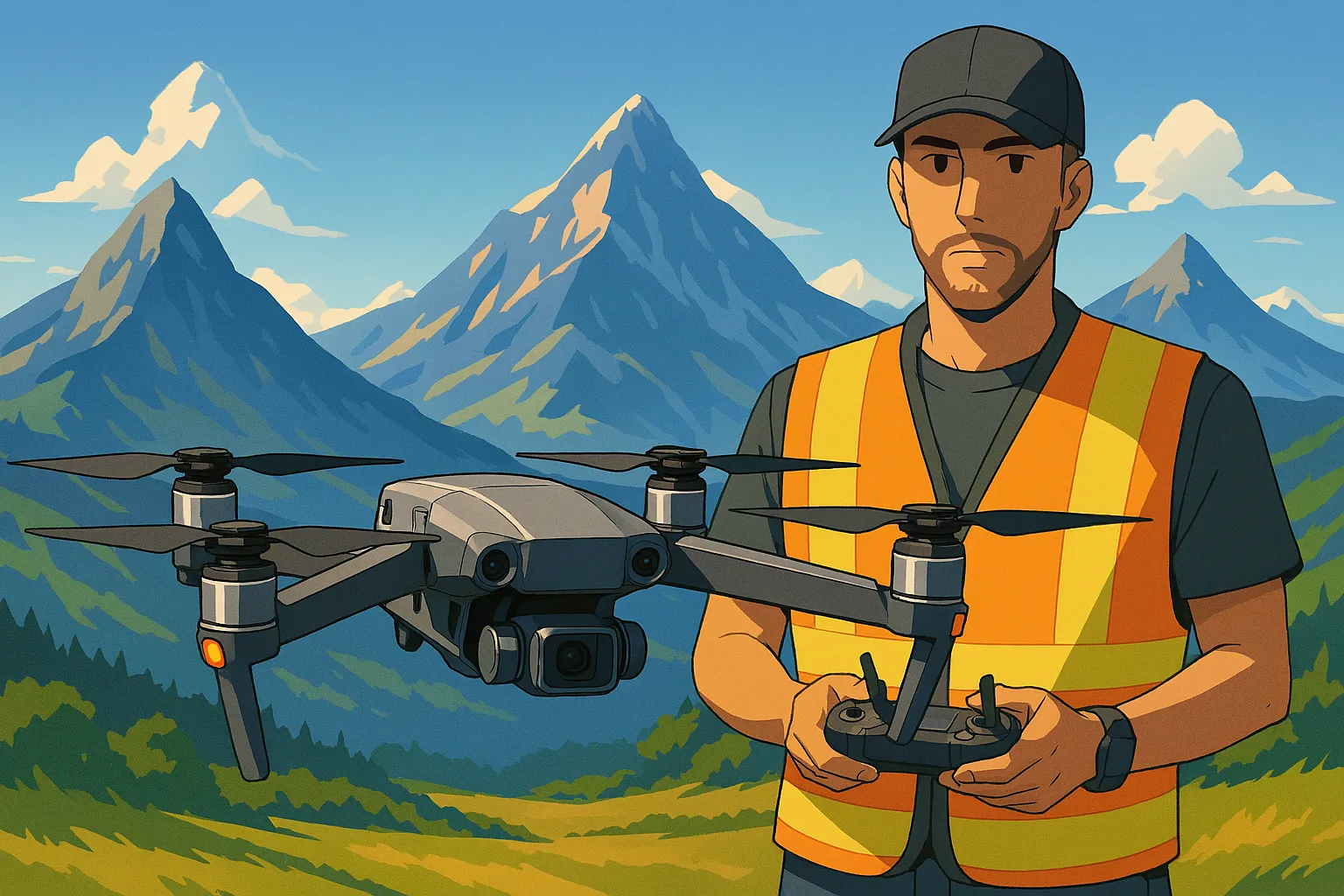
Remote ID Requirements for European Drone Pilots: Stay Compliant with EASA Regulations
Remote ID Requirements for European Drone Pilots: Stay Compliant with EASA Regulations
Flying drones in Europe is an exciting venture, whether you're capturing breathtaking landscapes, conducting inspections, or delivering packages. But as drone operations expand, so do regulations designed to ensure safety and accountability in the skies. One of the most critical aspects of compliance for European drone pilots today is understanding Remote Identification (Remote ID) requirements.
At 120mAGL.com, we aim to make European drone regulations accessible, actionable, and practical for every pilot. This comprehensive guide will explain everything you need to know about Remote ID: why it exists, how it works, and how to ensure compliance. We'll also explore real-world scenarios, address common questions, and provide a step-by-step compliance checklist.
What is Remote ID? Why Does It Matter?
Imagine you're flying your drone at a local park, capturing footage of a scenic lake. Suddenly, a concerned passerby notices your drone and wonders who's flying it and whether it's following regulations. This is where Remote ID comes in.
Remote ID acts as a "digital license plate" for drones, broadcasting information about the drone and its operator to ensure accountability, enhance airspace safety, and prevent unauthorized operations. It’s a critical tool for law enforcement, airspace regulators, and even the general public to identify and monitor drones operating nearby.
Historical Context
The European Union Aviation Safety Agency (EASA) introduced Remote ID regulations as part of its effort to integrate Unmanned Aircraft Systems (UAS) safely into the airspace. These requirements are rooted in public safety concerns, the need for airspace coordination, and the rapid growth of drone technology. Ensuring every drone can be identified remotely minimizes risks and builds trust in drone operations.
Detailed Requirements: EASA's Remote ID Rules
Who Needs Remote ID?
Under EASA regulations, Remote ID is mandatory for drones operating in specific categories. If you're flying a drone in the Open, Specific, or Certified categories, you may be required to have Remote ID functionality installed and activated. Let’s break this down:
- Open Category: Remote ID is required for drones weighing more than 250 grams or drones equipped with a camera or sensor that can capture personal data. (Reg 2019/947 Art. 4)
- Specific Category: All drones in this category must be equipped with Remote ID. (Reg 2019/947 Art. 5)
- Certified Category: Remote ID is mandatory for all operations. (Reg 2019/947 Art. 5)
What Information Must Be Broadcast?
Remote ID systems must transmit specific data, including:- ▸Drone Identification: A unique ID assigned to the drone by its manufacturer or operator.
- ▸Location and Altitude: Real-time data about the drone’s position and height.
- ▸Operator Information: Details about the person or entity controlling the drone.
This data must be accessible to law enforcement and airspace regulators in real-time.
Equipment Requirements
To comply with Remote ID regulations, drones must be equipped with either:- ▸Built-in Remote ID: Integrated into the drone by the manufacturer.
- ▸Add-on Remote ID Module: A separate device that can be attached to your drone.
Practical Application: How to Comply with Remote ID Rules
Scenario-Based Guidance
Example 1: A Photographer Operating a Drone in a City Park
Imagine you're a professional photographer conducting aerial shots for a wedding. Your drone weighs 500 grams, and you're flying in the Open category. Since your drone exceeds 250 grams and is equipped with a camera, you must have Remote ID activated. Ensure your drone broadcasts its unique ID, altitude, and operator details throughout the flight.Example 2: Agricultural Drone for Crop Monitoring
An agricultural drone operating in the Specific category for crop monitoring must comply with Remote ID requirements. Before starting operations, check that your drone's Remote ID system is functioning and broadcasting required information.Common Questions and Challenges
Q1: What happens if my drone doesn’t have Remote ID functionality?
If your drone lacks Remote ID, it cannot be legally flown in areas where Remote ID is required. Consider upgrading your drone or purchasing an add-on Remote ID module to ensure compliance.Q2: Can I turn off Remote ID during operations?
No, Remote ID must remain active throughout the flight to comply with regulations. Disabling Remote ID could lead to penalties or flight restrictions. (Reg 2019/947 Art. 4)Q3: Are Remote ID requirements applicable to recreational pilots?
Yes, if your drone falls within the weight or equipment thresholds outlined in the Open category regulations, you must comply with Remote ID rules. (Reg 2019/947 Art. 4)Q4: How does Remote ID affect BVLOS (Beyond Visual Line of Sight) operations?
For BVLOS operations, Remote ID becomes even more critical as the drone is not visible to the operator. Remote ID ensures airspace safety and accountability for such flights. (Reg 2019/947 Art. 5)Compliance Checklist: Step-by-Step Guide
- Verify Drone Category: Determine whether your drone falls under the Open, Specific, or Certified category.
- Check Drone Specifications: Confirm whether your drone has built-in Remote ID functionality or requires an add-on module.
- Install and Activate Remote ID: Ensure the Remote ID system is properly installed and broadcasting required information.
- Test Functionality: Conduct a pre-flight check to confirm the Remote ID system is working.
- Follow Operational Limits: Keep your drone within the 120m AGL altitude limit and ensure Remote ID remains active throughout the flight. (Reg 2019/947 Art. 4, 5)
Case Studies: Learning from Real-World Examples
Case Study 1: Commercial Drone Delivery
A logistics company using drones for package delivery ensures all drones are equipped with Remote ID modules. The company trains its pilots on maintaining compliance during BVLOS operations, ensuring data is transmitted accurately for each delivery.Case Study 2: Inspection Drone for Infrastructure
An inspection team uses drones to survey bridges and powerlines. Before each flight, they verify Remote ID functionality, especially in urban areas where airspace is shared with other aircraft.Summary: Key Takeaways for Drone Pilots
- ▸Remote ID is mandatory for most drone operations under EASA regulations.
- ▸Ensure your drone is equipped with built-in or add-on Remote ID functionality.
- ▸Remote ID systems must broadcast unique identification, location, altitude, and operator information.
- ▸Compliance ensures accountability, enhances airspace safety, and prevents unauthorized flights.
- ▸Always conduct a pre-flight check to verify Remote ID functionality.
Frequently Asked Questions
Q1: Do all drones need Remote ID?
No, drones weighing less than 250 grams and operating without cameras or sensors are exempt unless flying in restricted areas. (Reg 2019/947 Art. 4)Q2: How can I upgrade my drone for Remote ID compliance?
Check with your drone manufacturer for add-on modules or firmware updates that enable Remote ID functionality.Q3: Are penalties enforced for non-compliance?
Yes, failure to comply with Remote ID requirements can result in fines, flight restrictions, or confiscation of your drone.Q4: Can I use Remote ID outside Europe?
Remote ID regulations vary globally. Always check the local rules before flying internationally.Next Steps and Resources
At 120mAGL.com, we’re committed to helping European drone pilots navigate complex regulations and fly safely. Bookmark this guide and explore our other resources:
- ▸EASA Regulation Overview: Dive deeper into European drone rules.
- ▸Drone Safety Tips: Learn best practices for safe flying.
- ▸Remote ID Modules: Compare equipment options for compliance.
Official Documentation
- ▸
- ▸
Safety Reminder
Never compromise on safety or compliance. Remote ID ensures accountability and protects everyone sharing the skies. Stay informed, stay compliant, and enjoy flying responsibly. For the latest updates, visit 120mAGL.com – your trusted guide for European drone regulations.

About the Author
Roberto Gramellini
Aviation expert and UAS regulations specialist with extensive experience in EASA compliance and drone operations. Passionate about making complex regulations accessible to drone pilots across Europe.
EASA Regulatory Compliance Notice
This content is for educational purposes only and is based on EASA regulations current at the time of generation.
Always consult the official EASA documentation and your local aviation authorities for the most current regulations and legal compliance requirements before operating any UAS.