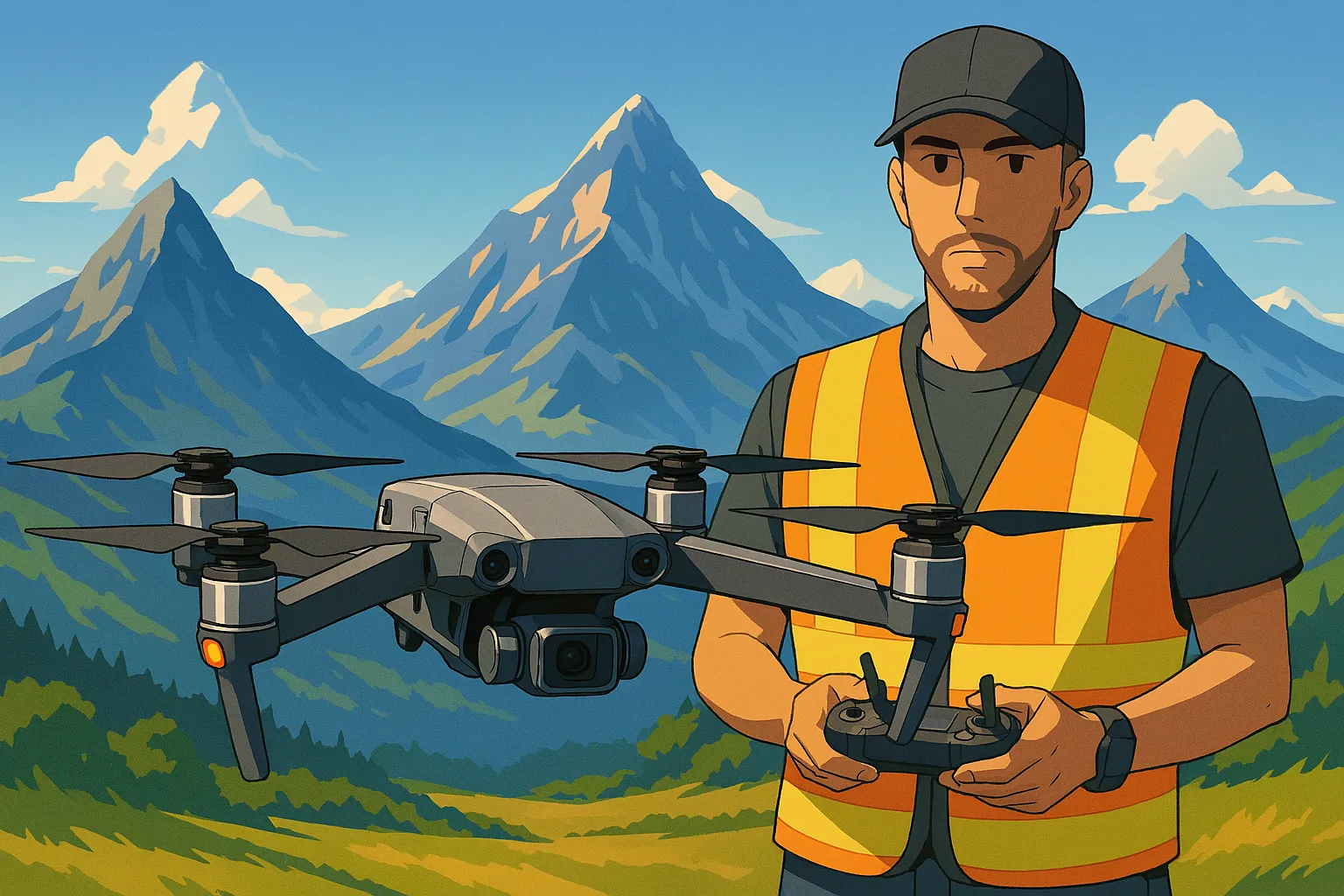
No Drone Zones in the US: A Comprehensive Guide for European Drone Pilots
No Drone Zones in the US: A Comprehensive Guide for European Drone Pilots
Flying drones in the US can be an exciting opportunity for European pilots looking to explore new landscapes and expand their skills. However, with different regulations and "No Drone Zones" in place, it's essential to understand the rules to ensure safe and legal operations. At 120mAGL.com, we're here to help you navigate these complexities with ease and confidence.
In this guide, we'll cover everything you need to know about flying drones in the US, focusing on "No Drone Zones" and how European pilots can operate legally and safely. We'll break down regulations, provide real-world examples, and give practical tips to help you avoid common pitfalls.
What Are "No Drone Zones"?
"No Drone Zones" are areas where drone flights are restricted or prohibited due to safety, security, or privacy concerns. These zones are established to protect sensitive locations such as airports, military installations, national parks, and urban areas with high population density.
Why Do "No Drone Zones" Exist?
The concept of "No Drone Zones" is rooted in ensuring public safety, national security, and airspace management. Drones, while valuable tools for photography, inspection, and other applications, can pose risks when operated near sensitive sites. For example:- ▸Airports: Drones near airports can interfere with manned aircraft operations and pose collision risks.
- ▸National Parks: Preserving wildlife and natural habitats is critical, and drones can disturb the ecosystem.
- ▸Government Facilities: Security concerns necessitate restrictions around military bases and other government sites.
Understanding US Drone Regulations
Before operating a drone in the US, European pilots must familiarize themselves with the Federal Aviation Administration (FAA) regulations, which differ from EASA rules.
Key FAA Regulations for Drone Pilots
- Registration Requirements
- Part 107 Certification
- Visual Line of Sight (VLOS)
- Altitude Limits
- Restricted Areas
Identifying "No Drone Zones" in the US
Tools for Finding Restricted Areas
The FAA provides several resources to help pilots identify "No Drone Zones":- ▸B4UFLY App: A free mobile app that shows restricted areas based on your location.
- ▸FAA UAS Facility Maps: These maps outline where drones can operate and at what altitudes.
Common "No Drone Zones"
- Airports: Controlled airspace extends in a radius around airports. Permission is required to fly within these zones.
- National Parks: Drone flights are prohibited in all US national parks unless specifically authorized.
- Military Bases: Restricted airspace exists around military installations, and unauthorized flights can lead to severe penalties.
- Urban Areas: Many cities have local ordinances restricting drone flights near landmarks and crowded locations.
How to Operate Safely and Legally
Step-by-Step Guide for Compliance
- Register Your Drone
- Check Airspace Restrictions
- Plan Your Flight
- ▹Maintain VLOS at all times.
- ▹Stay below 400 feet AGL.
- ▹Avoid flying over people or moving vehicles.
- Follow Operational Limits
- Obtain Necessary Permissions
Practical Scenarios and Examples
Example 1: A Photographer Visiting New York City
A European drone photographer plans to capture aerial shots of Manhattan. However, the city has strict regulations prohibiting drone flights near landmarks like the Empire State Building and Central Park. The photographer uses the B4UFLY app to identify permissible areas outside "No Drone Zones" and schedules a flight in an open field in New Jersey instead.Example 2: Inspecting a Construction Site Near an Airport
A commercial drone operator needs to inspect a construction site within 2 miles of an airport. The operator applies for airspace authorization via LAANC and coordinates with local air traffic control to ensure safe operations.Common Questions and Misconceptions
Q1: Can I Fly My Drone in National Parks?
No, drone flights are prohibited in US national parks unless you have special authorization.Q2: Do I Need FAA Registration for a Drone Under 250 Grams?
No, drones under 250 grams are exempt from FAA registration requirements.Q3: What Happens If I Accidentally Fly in a "No Drone Zone"?
Unauthorized flights can result in fines, confiscation of your drone, and other penalties. Always check airspace restrictions before flying.Q4: Can I Use a Drone for Commercial Purposes Without a Part 107 Certificate?
No, all commercial drone operations require a Part 107 Remote Pilot Certificate.Compliance Checklist
Pre-Flight
- ▸✅ Register your drone with the FAA.
- ▸✅ Check airspace restrictions using the B4UFLY app.
- ▸✅ Conduct a risk assessment.
During Flight
- ▸✅ Maintain VLOS and stay below 400 feet AGL.
- ▸✅ Avoid flying over people, vehicles, or sensitive areas.
Post-Flight
- ▸✅ Review your flight log for compliance.
- ▸✅ Report any incidents to the FAA if required.
Case Studies
Case Study 1: Recreational Flying in California
A European tourist brings their drone to California for recreational flying. Using the B4UFLY app, they find an open area near Los Angeles that is outside controlled airspace. By adhering to FAA altitude limits and avoiding populated areas, they enjoy a safe and legal flight experience.Case Study 2: Commercial Filming in Texas
A European filmmaker plans a drone shoot near a historic site in Texas. They secure Part 107 certification, apply for airspace authorization, and coordinate with local officials to ensure compliance with all regulations.Summary
Flying drones in the US requires careful planning and adherence to FAA regulations, especially regarding "No Drone Zones." By registering your drone, using tools like the B4UFLY app, and following operational limits, you can ensure safe and legal flights.
Key Takeaways
- ▸"No Drone Zones" protect safety, security, and privacy.
- ▸FAA regulations differ from EASA rules, so review them carefully.
- ▸Use FAA resources to identify restricted areas.
- ▸Always plan your flight and conduct a risk assessment.
Additional Resources
- ▸
- ▸
- ▸
Final Note
As drone pilots, we have a responsibility to fly safely and responsibly. Always stay informed about regulations and remember that compliance is not just about avoiding penalties—it’s about protecting people, property, and the integrity of our shared airspace.
Fly smart, fly safe, and explore responsibly with 120mAGL.com, your trusted resource for drone regulations and safety guidance.

About the Author
Roberto Gramellini
Aviation expert and UAS regulations specialist with extensive experience in EASA compliance and drone operations. Passionate about making complex regulations accessible to drone pilots across Europe.
EASA Regulatory Compliance Notice
This content is for educational purposes only and is based on EASA regulations current at the time of generation.
Always consult the official EASA documentation and your local aviation authorities for the most current regulations and legal compliance requirements before operating any UAS.