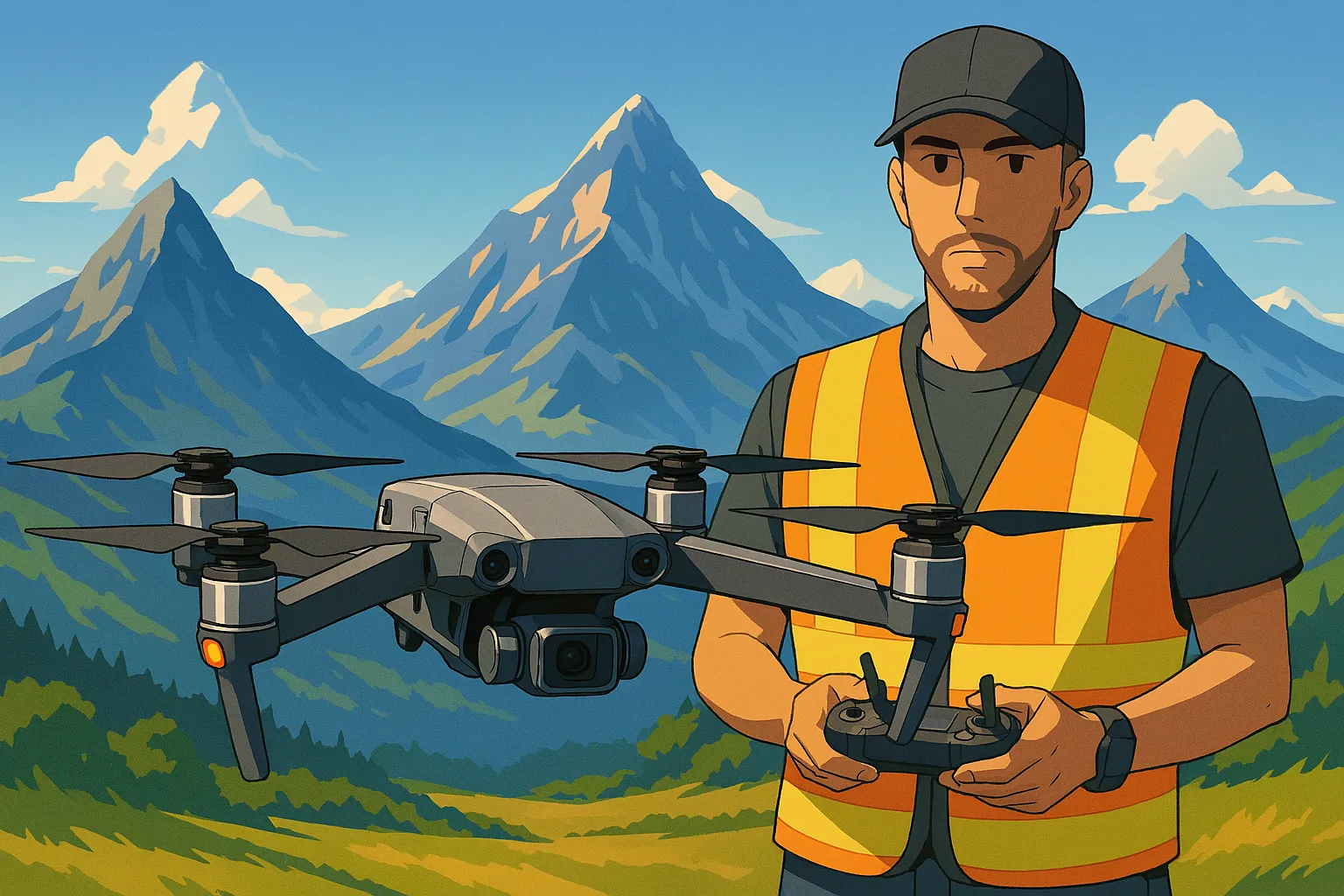
Accident Reporting Requirements for European Drone Pilots
Accident Reporting Requirements for European Drone Pilots
Fly Safely and Legally: A Comprehensive Guide
Drone pilots across Europe are navigating an increasingly regulated airspace. Among the many rules set by the European Union Aviation Safety Agency (EASA), accident reporting requirements are critical to ensuring safety, accountability, and compliance. But what counts as an accident? When and how should you report it? This guide from 120mAGL.com, your trusted source for EASA drone regulations, will break down everything you need to know.
Whether you're flying for recreation, commercial purposes, or inspections, understanding accident reporting obligations can save you from penalties and help improve drone safety for everyone.
What You'll Learn
- ▸Why accident reporting matters
- ▸EASA definitions of drone accidents
- ▸Step-by-step accident reporting process
- ▸Real-world examples of reportable incidents
- ▸Common misconceptions clarified
- ▸Compliance checklist for drone pilots
- ▸Best practices for safe operations
Why Accident Reporting Matters
Accident reporting is more than just a regulatory requirement; it's a vital part of maintaining safety in European skies. When incidents involving drones are properly reported, authorities can analyze trends, improve regulations, and prevent future accidents.
Here’s why EASA enforces strict reporting rules:- ▸Safety enhancement: Accidents provide critical data to help improve safety standards.
- ▸Accountability: Reporting ensures operators take responsibility for their actions.
- ▸Insurance and liability: A formal report may be necessary for insurance claims.
- ▸Legal compliance: Failure to report can lead to fines or other penalties.
Overview of EASA Accident Reporting Regulations
Under EASA regulations, any drone accident meeting certain criteria must be reported. The rules apply to all categories of drone operations, from recreational to commercial flights.
Key Definitions
EASA defines a "drone accident" as an event where:- ▸Serious injury or fatality occurs to a person.
- ▸Damage exceeds €1,000 to property other than the drone itself.
- ▸Loss of control results in the drone entering restricted airspace or causing significant disruption.
For Open and Specific drone operation categories, reporting thresholds differ slightly. We'll cover these distinctions later in the article.
Detailed Requirements
What Must Be Reported?
Accidents requiring reporting include:- Injury to persons: If someone is hurt, especially seriously.
- Property damage: If damage exceeds €1,000 in repair costs.
- Drone malfunctions: Critical failures leading to loss of control.
If you're unsure whether an incident qualifies, err on the side of caution and report it.
Who Must Report?
The responsibility for reporting falls on:- ▸The operator: This includes recreational pilots and commercial operators alike.
- ▸The remote pilot: If the operator delegates responsibility to the pilot-in-command, they must report.
Step-by-Step Guide to Reporting Drone Accidents
Step 1: Assess the Situation
Immediately after an accident:- Ensure safety for all individuals involved.
- Stop flying and secure the drone.
- Document the scene with photos or video footage, if safe to do so.
Step 2: Determine If Reporting Is Required
Ask yourself:- ▸Was someone injured?
- ▸Was property damaged above €1,000?
- ▸Did the drone enter restricted airspace or cause disruption?
If the answer to any of these is "yes," you must report the incident.
Step 3: Notify Local Authorities
Depending on the severity, you may need to contact local emergency services first. For example, if the drone caused a road traffic accident, police involvement is mandatory.Step 4: Submit the Report to EASA
EASA accident reports can be filed online via their official portal. Include:- ▸Date, time, and location of the incident
- ▸Details of the drone (make, model, registration number)
- ▸Operator information
- ▸Description of the accident
- ▸Evidence (photos, videos, witness statements)
Step 5: Follow Up
Keep copies of your report and any correspondence. If requested, cooperate with further investigations.Practical Application
Example 1: Photographer Operating in Urban Areas
A commercial drone pilot is photographing a wedding in a city park. The drone malfunctions and crashes into a parked car, causing €2,500 worth of damage. This incident qualifies as a reportable accident under EASA regulations.Example 2: Recreational Pilot Flying Over Fields
A recreational pilot loses control of their drone due to high winds, and it crashes into a farmer's tractor. The damage to the equipment totals €800, which is below the reporting threshold. While this doesn't require formal reporting, the pilot should notify the property owner and consider compensation.Common Questions and Challenges
1. Do I need to report minor crashes?
No, minor crashes that don't involve injuries or significant property damage are not reportable under EASA rules.2. What happens if I fail to report?
Failure to report an accident can result in fines, legal action, or suspension of your drone operator certificate.3. How quickly must I file a report?
Reports should be submitted as soon as possible, ideally within 72 hours of the accident.Compliance Checklist for Drone Pilots
Before Flying
- Conduct a risk assessment to identify potential hazards.
- Verify your drone's registration and insurance.
- Ensure you are operating within the 120m AGL limit.
During Flight
- Maintain visual line of sight with your drone.
- Avoid flying over crowds, roads, or sensitive areas.
- Follow weather advisories to minimize risk.
After an Accident
- Secure the area and document the incident.
- Notify local authorities if required.
- Submit your report to EASA promptly.
Best Practices for Safe Drone Operations
- ▸Pre-flight checks: Verify all systems are functioning properly.
- ▸Training: Ensure pilots are certified and familiar with EASA regulations.
- ▸Emergency protocols: Have a plan for handling unexpected situations.
- ▸Communication: Inform nearby people or authorities of your operation.
Summary of Key Points
- Accidents involving injuries or property damage above €1,000 must be reported.
- Reports should be filed with EASA within 72 hours.
- Operators and pilots share responsibility for compliance.
- Proper documentation is crucial for investigations and insurance claims.
- Pre-flight preparation minimizes the risk of accidents.
Frequently Asked Questions
Q1. What qualifies as "serious injury"?
EASA defines serious injury as any harm requiring hospitalization or causing long-term disability.Q2. Can I report anonymously?
No, accident reports must include operator and pilot information for accountability.Q3. Are reports required for near-misses?
Near-misses are not reportable unless they result in injury or property damage.Q4. How do I calculate property damage costs?
Consult repair estimates or invoices to determine if the damage exceeds €1,000.Conclusion
Accident reporting is a vital part of responsible drone operation. By following EASA regulations, you contribute to safer skies and protect yourself from legal consequences.
Stay informed, stay compliant, and fly safely! For more guidance, explore other articles on 120mAGL.com, your trusted resource for European drone regulations.
Additional Resources
- ▸
- ▸
- ▸
Disclaimer: Regulations are subject to change. Always verify with official EASA sources before flying.

About the Author
Roberto Gramellini
Aviation expert and UAS regulations specialist with extensive experience in EASA compliance and drone operations. Passionate about making complex regulations accessible to drone pilots across Europe.
EASA Regulatory Compliance Notice
This content is for educational purposes only and is based on EASA regulations current at the time of generation.
Always consult the official EASA documentation and your local aviation authorities for the most current regulations and legal compliance requirements before operating any UAS.