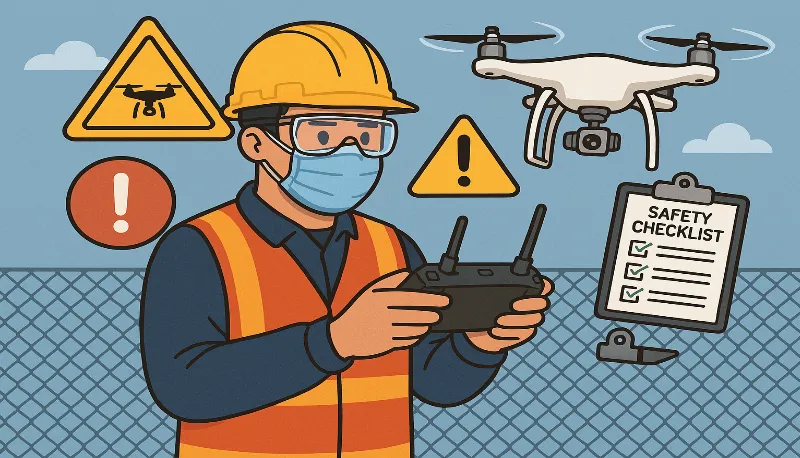
Privacy and Data Protection Laws in the US: FAQ for European Drone Pilots
Privacy and Data Protection Laws in the US: FAQ for European Drone Pilots
Privacy and data protection laws are critical for safe and compliant drone operations. Understanding these regulations is especially important for European drone pilots operating in the United States. Below are frequently asked questions tailored to your needs, whether you're a beginner, experienced pilot, or professional operator.
General Questions for All Pilots
1. Do US privacy laws apply to drones operated by European pilots?
Yes, US privacy laws apply to all drone operations conducted within the United States, regardless of the operator’s nationality. Pilots must respect privacy laws, including those protecting individuals from unauthorized surveillance and data collection.
2. What happens if I accidentally record private property or people without consent?
Recording private property or individuals without consent may be considered a violation of privacy laws, depending on the circumstances. In some states, this could lead to legal action or fines. Always ensure your drone camera is pointed away from private areas unless you have explicit permission.
3. Are there federal privacy laws specifically for drones?
Currently, the US does not have federal laws exclusively governing drone-related privacy. However, general privacy laws, such as those protecting individuals from unauthorized data collection, apply. Additionally, state-specific drone privacy laws may impose stricter requirements.
Safety Reminder: Always plan your flight to avoid invading personal privacy and prioritize operating responsibly.
Questions for Beginners
4. Do I need consent to fly over someone's property?
While FAA regulations allow drones to fly over private property at certain altitudes within the National Airspace System (NAS), state laws may require consent for recording or surveillance. Always check local laws before flying.
- ▸Avoid flying over sensitive areas such as schools, hospitals, or private residences.
- ▸Disable camera recording unless necessary for the operation.
- ▸Familiarize yourself with local and state privacy laws before flying.
6. Can I use my drone for recreational photography in public spaces?
Yes, recreational photography is generally allowed in public spaces as long as it complies with FAA regulations under Part 107. Avoid taking pictures of individuals without their consent, especially in areas where privacy is expected.
Questions for Experienced Pilots
7. What are the rules for flying near sensitive locations like airports or government buildings?
Flying near sensitive locations requires strict compliance with FAA regulations and may need prior authorization. Unauthorized flights near government buildings or airports could lead to penalties. Ensure your flight plan avoids restricted areas and adheres to the 120-meter altitude limit.
8. Are there restrictions on using drones for surveillance or monitoring?
Yes, using drones for surveillance without consent is prohibited under privacy laws in many states. For example, capturing audio or video of individuals in private settings without their permission can result in legal consequences.
- ▸Notify property owners in advance, if possible.
- ▸Limit data collection to what is necessary for the operation.
- ▸Avoid recording areas irrelevant to your survey or inspection task.
Safety Reminder: Always operate with transparency and respect for privacy when conducting professional drone operations.
Questions for Professional Operators
10. Can I use drones for commercial operations like real estate photography?
Yes, commercial operations are permitted under FAA Part 107 regulations. However, you must obtain consent from property owners before recording private property and ensure compliance with local privacy laws.
11. What are the data protection rules for storing footage recorded by drones?
Under US data protection laws, any footage recorded by drones must be securely stored to prevent unauthorized access or misuse. For commercial operators, this may include encryption, limited access, and compliance with state-specific data protection regulations.
12. Are there penalties for violating privacy laws during commercial drone operations?
Penalties vary by state but may include fines, lawsuits, and restrictions on future drone operations. Always ensure compliance with FAA and state privacy laws to avoid legal consequences.
13. Do I need special insurance for commercial drone operations in the US?
Yes, it is highly recommended to have liability insurance to cover potential privacy or property damage claims during commercial drone operations. Check with your insurance provider for coverage specific to US operations.
Critical Compliance and Legal Questions
14. What should I do if someone complains that my drone violated their privacy? If someone complains:- ▸Immediately stop your operation and address their concerns respectfully.
- ▸Share your flight purpose and ensure no unauthorized data collection occurred.
- ▸If the situation escalates, consult legal advice and cooperate with authorities.
15. What are the consequences of flying a drone irresponsibly in the US?
Irresponsible drone operation can lead to fines, lawsuits, and FAA penalties. Violations of privacy laws could also result in criminal charges. Always prioritize safety, compliance, and responsible operation to avoid these consequences.
Additional Resources
- ▸FAA DroneZone for drone registration and regulations
- ▸EASA Official Documentation for guidance on European pilots flying abroad
- ▸120mAGL.com for detailed regulatory explanations and updates
Disclaimers
- ▸Regulations may change; always verify with official sources.
- ▸This content is educational and not legal advice.
- ▸Consult official FAA and EASA documentation for complete requirements.
By understanding and respecting US privacy and data protection laws, European drone pilots can ensure safe, compliant, and responsible operations while flying in the United States. For more insights and updates, explore 120mAGL’s comprehensive drone pilot resources.

About the Author
Roberto Gramellini
Aviation expert and UAS regulations specialist with extensive experience in EASA compliance and drone operations. Passionate about making complex regulations accessible to drone pilots across Europe.
EASA Regulatory Compliance Notice
This content is for educational purposes only and is based on EASA regulations current at the time of generation.
Always consult the official EASA documentation and your local aviation authorities for the most current regulations and legal compliance requirements before operating any UAS.