FAQ
Article 16 Authorisations
6 min read
FAQ: Article 16 Authorisations for Drone Pilots
Summary:
FAQ: Article 16 Authorisations for Drone Pilots Article 16 Authorisations are a vital framework for drone pilots operating in the UK under permissions granted by the Civil Aviation Authority (CAA) to model aircraft associations. These authorisations enable pilots to conduct flights under condit...
FAQ: Article 16 Authorisations for Drone Pilots
Article 16 Authorisations are a vital framework for drone pilots operating in the UK under permissions granted by the Civil Aviation Authority (CAA) to model aircraft associations. These authorisations enable pilots to conduct flights under conditions that are tailored to their specific activities. Below, we’ve compiled a list of frequently asked questions (FAQs) to help drone pilots understand and comply with Article 16 Authorisations.For New Drone Pilots and Beginners
1. What is an Article 16 Authorisation? An Article 16 Authorisation is a permission granted by the CAA to model aircraft associations, allowing their members to operate drones under specific conditions that may differ from the Open Category rules. These permissions are designed to support recreational and model aircraft flying.- Regulatory Context: Article 16 falls under UK Regulation (EU) 2019/947.
- Key Benefit: It provides greater flexibility compared to the Open Category.
- Example: Flying closer to uninvolved people than standard Open Category rules allow (subject to conditions).
- Flying within visual line of sight (VLOS).
- Maintaining a maximum altitude of 120m (400ft).
- Keeping a safe horizontal distance from uninvolved people and properties (typically 30m).
- Avoiding flights over assemblies of people.
For Active Pilots with Some Experience
6. How does Article 16 differ from flying in the Open Category? Article 16 Authorisations provide more flexibility, such as reduced separation distances and tailored permissions for recreational flying. For example, you may be allowed to fly closer to uninvolved people under controlled conditions. 7. Can I fly near an airport under Article 16? No. Flights near airports remain subject to strict airspace restrictions, and Article 16 does not override these rules. You must request permission from air traffic control if you intend to operate in restricted zones. 8. What happens if I breach Article 16 rules? Violating Article 16 conditions can result in disciplinary action from your association, loss of authorisation privileges, and potential legal penalties under CAA regulations. 9. Can I use my drone for commercial purposes under Article 16? No. Article 16 is strictly for recreational and model aircraft flying. Commercial operations require a specific Operational Authorisation, typically through a Pre-Defined Risk Assessment (PDRA) or GVC certification. 10. Are FPV flights allowed under Article 16? Yes, FPV (First Person View) flights are permitted under Article 16, but you must:- Use a competent observer who maintains VLOS with the drone.
- Follow the conditions set by your association, such as maintaining safe distances.
For Professional Operators and Commercial Pilots
11. Can I conduct night flights under Article 16? Yes, night flights are allowed if permitted by your association’s handbook and you adhere to safety requirements, including maintaining VLOS and using appropriate lighting on your drone. 12. Are there insurance requirements for Article 16 flights? Yes. Most associations require members to have third-party liability insurance as part of their membership. This ensures coverage for any damage or injury caused during operations. 13. How do Article 16 Authorisations interact with the Specific Category? Article 16 applies to recreational flying, whereas the Specific Category is for higher-risk or commercial operations requiring an Operational Authorisation. If your flight falls outside Article 16 permissions, you may need to apply under the Specific Category. 14. What if I want to fly a drone heavier than 25kg? Drones heavier than 25kg typically fall outside Article 16 permissions. You would need to apply for a Specific Category Operational Authorisation through the CAA. 15. Can I fly over private property under Article 16? Yes, provided you maintain the minimum horizontal distance from uninvolved persons and respect privacy laws. Always ensure your flight adheres to the association’s guidelines.For All Pilots
16. How do I ensure compliance with Article 16 rules?- Join a model aircraft association approved by the CAA.
- Read your association’s handbook for specific conditions.
- Follow the rules for VLOS, altitude limits, and safe distances.
- Check local airspace restrictions before flying.
- Loss of membership privileges.
- Fines or legal penalties under CAA regulations.
- Increased scrutiny or restrictions from the CAA.
- Minimum 30m horizontally from uninvolved people during normal operations.
- Reduced distances may apply for take-off and landing under controlled conditions.
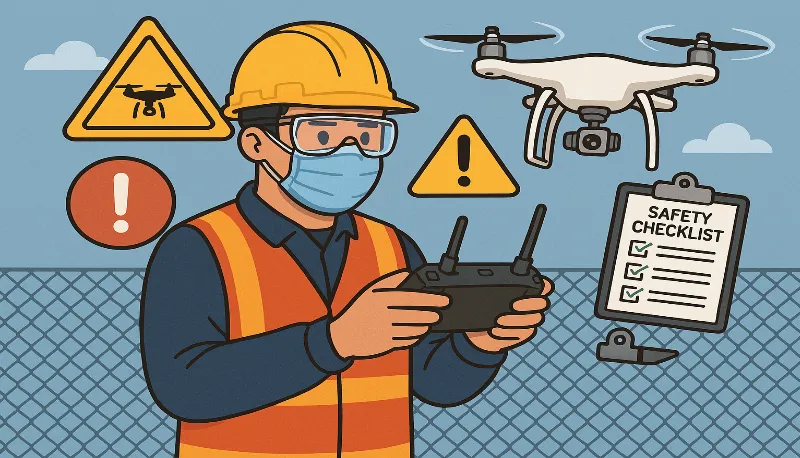
Safety Reminder
Flying under Article 16 Authorisation requires strict adherence to safety rules and regulations. Always check local airspace restrictions, maintain safe distances, and ensure your drone is in good condition before flying. Official References:- UK Regulation (EU) 2019/947
- Association-specific handbooks (e.g., FPV UK Handbook)
- CAA website: www.caa.co.uk
For more guidance on safe and legal drone operations, explore our resources at 120mAGL.com .

About the Author
Roberto Gramellini
Aviation expert and UAS regulations specialist with extensive experience in EASA compliance and drone operations. Passionate about making complex regulations accessible to drone pilots across Europe.
EASA UAS Regulations
ENAC Italian Compliance
Drone Safety Procedures
Aviation Law
Remote Pilot Training
EASA Regulatory Compliance Notice
This content is for educational purposes only and is based on EASA regulations current at the time of generation.
Always consult the official EASA documentation and your local aviation authorities for the most current regulations and legal compliance requirements before operating any UAS.