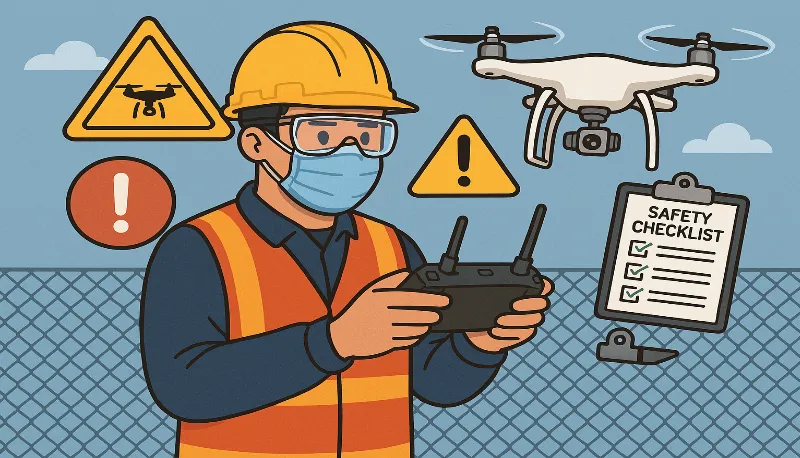
The "What NOT to Do" Guide to Drone Piloting
The "What NOT to Do" Guide to Drone Piloting
So, you want to be THAT pilot... The one who ends up on YouTube, starring in a video titled “Drone Fails Compilation 2023”? Or perhaps you dream of being the one everyone whispers about at the drone meetup, “Hey, remember when [insert your name here] flew their drone into a wedding cake?” No? Good. Then buckle up, because we’re diving into the cringe-worthy world of drone mishaps—what NOT to do—and how to avoid becoming a cautionary tale.1. Flying Without Reading the Rules
The Tempting Mistake
“Rules are boring. I know what I’m doing. Besides, I’ve seen Top Gun like five times—I’m basically a Maverick.”The Reality Check
You skip reading the regulations, take your shiny new drone out, and zip around the neighborhood. Next thing you know, you’re explaining to a very unimpressed police officer why your drone was hovering near the local airport. Oh, and you’re facing a fine big enough to fund your neighbor’s therapy sessions after they thought your drone was a UFO.The Lesson
Drone regulations exist for a reason—namely, so you don’t crash into an airplane or ruin someone’s day (or life). The European Union Aviation Safety Agency (EASA) requires all pilots to know and follow the rules for safe operations. For starters, you need to register as a drone operator and complete the required training for your category of flight (Reg 2019/947 Art. 4).Pro Tip
Before you even think about flying, visit the EASA website or your national aviation authority’s portal, read the rules, and complete your certification. Trust me, it’s worth it. Besides, you’ll feel like a total pro when you flash your operator ID.2. Ignoring the Weather
The Tempting Mistake
“It’s just a little wind! I can handle it. My drone’s basically indestructible, right?”The Reality Check
You launch your drone into what you thought was a “gentle breeze,” only to watch helplessly as it gets carried off like Dorothy in The Wizard of Oz. You end up chasing it for miles, only to find it lodged in a tree—or worse, someone’s windshield. Congratulations, you’re now the proud owner of a lawsuit.The Lesson
Drones are not invincible. Wind, rain, and even temperature extremes can mess with your flight, your control, and your drone’s hardware. Flying in bad weather increases the likelihood of losing your drone or causing damage.Pro Tip
Check the weather forecast before every flight. If it’s windy enough to mess up your hair, it’s too windy for your drone. And for goodness’ sake, learn about your drone’s wind resistance ratings and limitations.3. Flying Over Crowds
The Tempting Mistake
“Look at all those people down there—what a great shot! They’re gonna love this footage when I post it on Instagram.”The Reality Check
You fly over a crowded park, thinking you’re Spielberg. Suddenly, your drone loses signal and plummets from the sky like a particularly dumb bird. It lands in the middle of a picnic, ruining sandwiches and sending Aunt Karen to the emergency room with a sprained ankle. Oh, and you’ve just violated EASA’s rule against flying over uninvolved people (Reg 2019/947 Art. 5).The Lesson
Flying over crowds is a huge no-no. Not only is it against the regulations, but it’s also incredibly dangerous. Your drone is not a toy; it’s a flying piece of machinery that can cause serious harm if things go wrong.Pro Tip
Always plan your flight path to avoid flying over people unless you have the proper authorization to do so. If you must capture that epic crowd shot, consider using a drone in the C1 category or smaller, and still keep your distance.4. Flying Beyond Visual Line of Sight (BVLOS)
The Tempting Mistake
“I mean, who needs to see their drone anyway? It’s got GPS, so it’ll be fine!”The Reality Check
You send your drone off into the wild blue yonder, convinced it’s got this. Minutes later, your screen goes black, and your drone’s GPS loses signal. Now you’re left staring at the sky, praying it doesn’t hit someone—or worse, something expensive. Guess what? You just broke the rule about always keeping your drone in Visual Line of Sight (Reg 2019/947 Art. 4).The Lesson
Flying BVLOS without proper authorization is illegal and reckless. You need to maintain direct visual contact with your drone at all times to ensure safe operation.Pro Tip
Stay within sight of your drone, and if you’re itching to explore BVLOS operations, get trained and certified for the specific category that allows it. Spoiler: It’s not the Open category.5. Flying Near Airports
The Tempting Mistake
“The airport has the best views! I’ll just pop over for a quick flight—what’s the worst that could happen?”The Reality Check
The worst that could happen? Oh, just a mid-air collision with a passenger plane, causing widespread panic and grounding flights for hours. Or maybe you just cause enough of a disturbance to get a stern talking-to from the authorities. Either way, your drone operation days are probably over. Flying near airports without authorization is strictly forbidden (Reg 2019/947 Art. 5).The Lesson
Airports have controlled airspace for a reason—airplanes are big, fast, and don’t mix well with small drones. Never, ever fly near an airport without proper clearance.Pro Tip
Check your drone’s mapping software for restricted airspace, and if you’re unsure, don’t fly there. When in doubt, just stay far, far away from airports.6. Skipping Pre-Flight Checks
The Tempting Mistake
“My drone’s fine. I don’t need to check it—it worked perfectly last time!”The Reality Check
You launch your drone, only to realize halfway through the flight that the battery wasn’t properly secured. Your drone decides to take an unplanned nosedive, and you’re left explaining to your significant other why the family vacation budget is now going toward a new drone.The Lesson
Skipping pre-flight checks is a rookie mistake that can cost you time, money, and possibly your drone. Before every flight, inspect your equipment for damage, ensure the battery is secure, and check your propellers.Pro Tip
Create a pre-flight checklist and use it religiously. It takes five minutes and can save you a world of trouble.7. Flying Without Insurance
The Tempting Mistake
“Insurance? Pfft. I’m careful. I don’t need it.”The Reality Check
You accidentally crash your drone into someone’s car, and now you’re on the hook for repair costs. Spoiler alert: Car bumpers are expensive.The Lesson
Accidents happen, even to the most careful pilots. Having liability insurance can save you from financial ruin if your drone causes damage or injury.Pro Tip
Look into drone insurance options in your country. Many European countries require liability insurance for drone pilots, so make sure you’re covered before you fly.In Conclusion
Flying drones is fun, exciting, and sometimes challenging. But it’s also a responsibility. Now that you know what NOT to do, it’s time to focus on what you should do: follow the rules, prioritize safety, and respect others.Want to keep your license AND your dignity? Then fly responsibly, stay informed about EASA regulations, and make pre-flight preparation your best friend. Because trust me, the only thing better than flying drones is flying them right.
Let’s keep the skies safe—and avoid becoming the next viral fail. Happy flying!

About the Author
Roberto Gramellini
Aviation expert and UAS regulations specialist with extensive experience in EASA compliance and drone operations. Passionate about making complex regulations accessible to drone pilots across Europe.
EASA Regulatory Compliance Notice
This content is for educational purposes only and is based on EASA regulations current at the time of generation.
Always consult the official EASA documentation and your local aviation authorities for the most current regulations and legal compliance requirements before operating any UAS.