Navigating the UK Drone and Model Aircraft Code: A Comprehensive Guide
Navigating the UK Drone and Model Aircraft Code: A Comprehensive Guide
Drone operations in the UK are governed by a robust set of regulations designed to ensure safety, protect privacy, and maintain harmony between drone users and the general public. The UK Drone and Model Aircraft Code, established by the Civil Aviation Authority (CAA), serves as a vital resource for drone pilots, offering clear guidelines to fly legally and responsibly.
At 120mAGL.com, we understand that navigating regulations can feel overwhelming for drone pilots. That’s why we’ve created this comprehensive guide to help you understand, apply, and comply with the UK Drone and Model Aircraft Code. Whether you’re flying recreationally or commercially, this article will provide actionable insights to ensure your drone operations remain safe, legal, and enjoyable.
Overview and Background: Why Does the Code Exist?
The UK Drone and Model Aircraft Code exists to address growing concerns surrounding the safety, privacy, and environmental impact of unmanned aircraft systems (UAS). With drones becoming increasingly popular for hobbies, photography, inspections, and delivery services, the need for clear and enforceable rules is paramount.
The code aligns with broader regulations under UK Regulation (EU) 2019/947, which standardizes drone operations across Europe while allowing the UK to tailor specific rules to local contexts. These regulations support safe integration of drones into airspace and ensure responsible usage by all operators (Reg 2019/947 Art. 4, 5).
Detailed Requirements of the UK Drone and Model Aircraft Code
1. Flight Altitude and Distance Limits
The UK Drone and Model Aircraft Code stipulates that drones must not exceed a maximum altitude of 120 meters (approximately 400 feet) above ground level. This is to prevent conflicts with manned aircraft that often operate at higher altitudes (Reg 2019/947 Art. 4).Why This Matters
Flying above 120 meters increases the risk of collision with aircraft, endangering lives and breaching aviation safety protocols. Maintaining this altitude limit ensures safe coexistence between drones and other airspace users.2. Maintaining Visual Line of Sight (VLOS)
Drone pilots are required to keep their drones within visual line of sight (VLOS) at all times during operations. This means you must be able to see your drone without the aid of binoculars or similar devices (Reg 2019/947 Art. 4).Practical Example
If you’re flying your drone to capture footage of a construction site, ensure you can see it directly at all times. Losing sight of your drone could lead to accidents or breaches of the code.3. No-Fly Zones and Restricted Areas
Certain areas are designated as no-fly zones or restricted airspace. These include airports, military zones, and sites of critical national infrastructure. Always check your flight area for restrictions using tools such as the CAA's drone safety app or an official airspace map (Reg 2019/947 Art. 4).Scenario: Flying Near Airports
Flying a drone near an airport is strictly prohibited due to the risk it poses to manned aircraft. If you’re within 5 kilometers of an airport, ensure you have authorization before operating your drone.4. Respecting Privacy Laws
Drone pilots must avoid flying near people or property without their consent. Filming or taking photographs of individuals without their permission could breach privacy laws, potentially leading to legal action (Reg 2019/947 Art. 11).Practical Application: How to Fly Safely and Legally
Pre-Flight Checklist
Before every flight, follow this checklist to ensure compliance with the UK Drone and Model Aircraft Code:- Check your drone's registration: Ensure your drone is registered with the CAA if it weighs over 250g (Reg 2019/947 Art. 14).
- Conduct a risk assessment: Identify potential hazards, such as nearby obstacles, power lines, or crowded areas (Reg 2019/947 Art. 11).
- Verify airspace restrictions: Use official tools like the CAA’s Drone Assist app to confirm your planned flight area is safe and legal (Reg 2019/947 Art. 4).
- Inspect your drone: Ensure your drone is in good working condition, with fully charged batteries and no visible damage.
In-Flight Best Practices
- ▸Keep your drone within VLOS at all times (Reg 2019/947 Art. 4).
- ▸Avoid flying over people, vehicles, or buildings without permission (Reg 2019/947 Art. 11).
- ▸Monitor battery levels to ensure you can safely return to your take-off location.
- ▸Follow all weather advisories and avoid flying in high winds, heavy rain, or fog.
Common Questions and Challenges
Q: Can I fly my drone at night?
A: Night flying is permitted under certain conditions, but you must ensure your drone is equipped with appropriate lights to maintain VLOS.Q: What happens if I accidentally fly over a no-fly zone?
A: Flying in restricted airspace without authorization can result in significant fines or legal action. If you accidentally enter a no-fly zone, immediately exit and report the incident to the CAA.Q: Do I need insurance for my drone?
A: While not mandatory for recreational pilots, commercial operators are required to have third-party liability insurance (Reg 2019/947 Art. 11).Compliance Checklist: Step-by-Step Guide to Follow the Code
- Register your drone: All drones over 250g must be registered with the CAA (Reg 2019/947 Art. 14).
- Complete required training: Obtain the necessary certificates for your category of operation (Reg 2019/947 Art. 8).
- Plan your flight: Use airspace maps to avoid restricted areas and identify potential hazards (Reg 2019/947 Art. 4).
- Conduct pre-flight checks: Inspect your drone for any issues and ensure all systems are functioning properly.
- Fly responsibly: Maintain VLOS, respect privacy, and adhere to the 120m altitude limit.
Case Studies: Real-World Examples
Case Study 1: The Recreational Drone Photographer
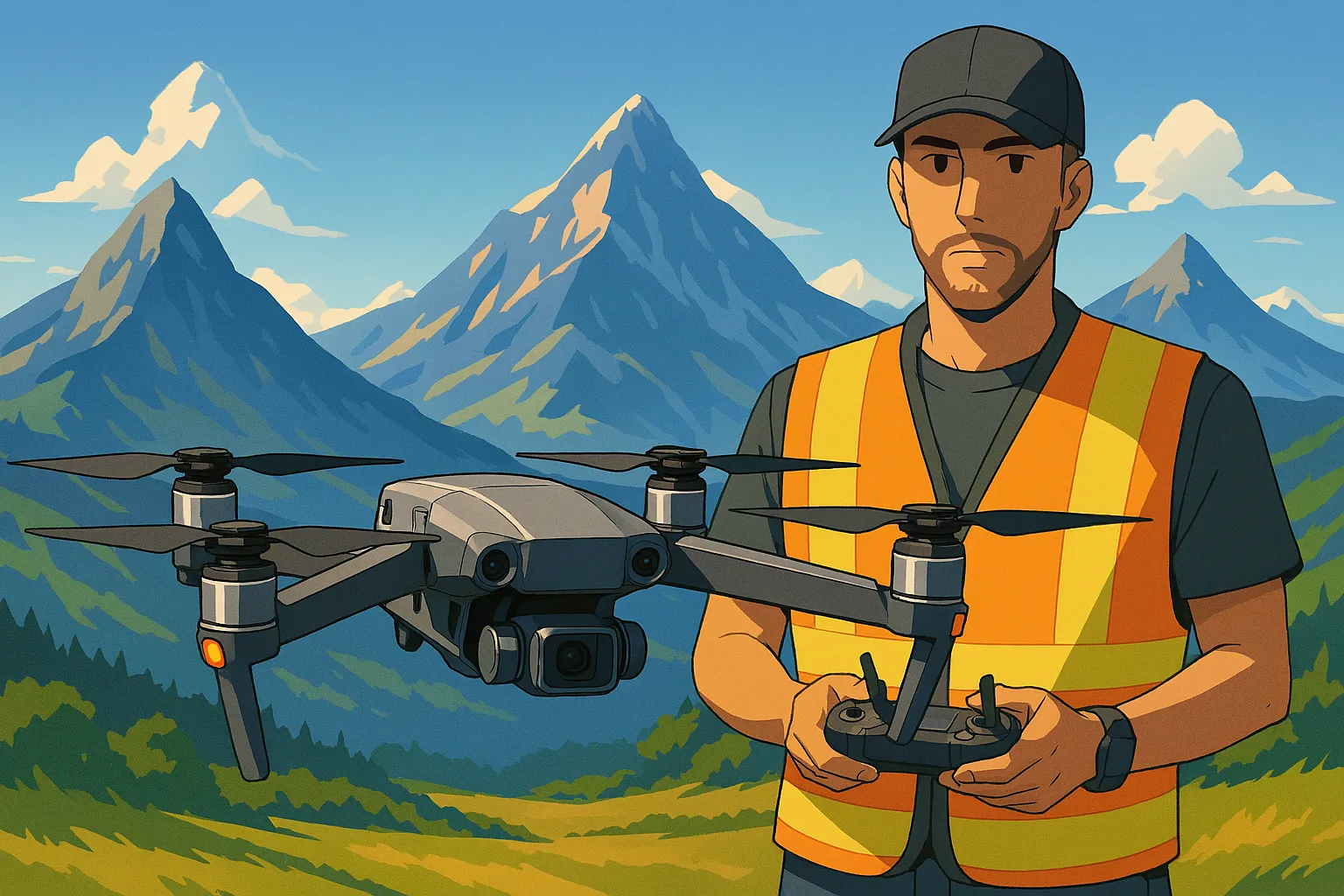
A hobbyist photographer plans to capture aerial shots of a scenic mountain range. Before flying, they register their drone with the CAA and ensure it is within the weight limit. Using a drone safety app, they identify areas with restricted airspace and plan their flight path accordingly. They maintain VLOS and stay below the 120m limit while capturing stunning images.Case Study 2: Commercial Drone Delivery
A logistics company uses drones to deliver packages. Before operations begin, the company secures third-party liability insurance and ensures all pilots complete the required training. They follow the code by avoiding no-fly zones and conducting thorough risk assessments for each delivery route.Summary: Key Takeaways
- ▸Always keep your drone below the 120m altitude limit.
- ▸Maintain visual line of sight during all operations.
- ▸Check for airspace restrictions before flying.
- ▸Respect privacy laws by avoiding unauthorized filming or photography.
- ▸Ensure your drone is registered if it weighs over 250g.
- ▸Conduct pre-flight checks and risk assessments to ensure safety.
Frequently Asked Questions
Q1: What is the penalty for flying a drone without registration?
A: Operating an unregistered drone can result in fines or other penalties under UK Regulation (EU) 2019/947 (Reg 2019/947 Art. 14).Q2: Can I fly my drone in a public park?
A: Yes, but ensure the park is not within restricted airspace. Always check local council rules and avoid flying near people or animals.Q3: Do I need permission to fly commercially?
A: Yes, commercial drone operations require specific authorization and third-party liability insurance (Reg 2019/947 Art. 11).Conclusion: Fly Safe, Fly Smart
The UK Drone and Model Aircraft Code is designed to protect all airspace users, including drone pilots. By following its guidelines, you can enjoy your drone safely while avoiding legal issues or accidents.
At 120mAGL.com, we’re committed to empowering European drone pilots with the knowledge and tools they need to operate responsibly. Always stay updated with the latest regulations, and remember: safety and compliance are your keys to successful drone operations.
Further Resources and References
Official Documents
- ▸
- ▸
Related Articles
- ▸"Mastering BVLOS Operations in the UK: What You Need to Know"
- ▸"Drone Registration in the UK: Step-by-Step Guide"
Safety Reminder: Always check for updates to regulations before flying. The rules evolve to accommodate new technology and ensure the safety of the skies.
This guide has been created to provide clear, actionable advice to drone pilots. For further queries or detailed explanations, contact the CAA directly or explore more resources at 120mAGL.com. Fly safely and responsibly!

About the Author
Roberto Gramellini
Aviation expert and UAS regulations specialist with extensive experience in EASA compliance and drone operations. Passionate about making complex regulations accessible to drone pilots across Europe.
EASA Regulatory Compliance Notice
This content is for educational purposes only and is based on EASA regulations current at the time of generation.
Always consult the official EASA documentation and your local aviation authorities for the most current regulations and legal compliance requirements before operating any UAS.