FAQ
Beyond Visual Line of Sight (BVLOS)
5 min read
FAQ: Flying Beyond Visual Line of Sight (BVLOS) in Europe
Summary:
FAQ: Flying Beyond Visual Line of Sight (BVLOS) in Europe This FAQ provides clear, actionable answers to commonly asked questions about BVLOS operations under European drone regulations. It caters to pilots at different experience levels—from beginners to professionals—and emphasizes compliance...
FAQ: Flying Beyond Visual Line of Sight (BVLOS) in Europe
This FAQ provides clear, actionable answers to commonly asked questions about BVLOS operations under European drone regulations. It caters to pilots at different experience levels—from beginners to professionals—and emphasizes compliance, safety, and responsibility.1. What does BVLOS mean in drone operations?
BVLOS stands for "Beyond Visual Line of Sight," meaning the drone is operated outside the pilot's direct visual range. BVLOS operations enable tasks like long-distance inspections, mapping, and delivery services. However, operating BVLOS requires additional permissions and compliance with specific safety measures defined by EASA regulations.2. Can I fly BVLOS without special authorization?
No, BVLOS flights require authorization from your national aviation authority. You must meet specific requirements, including risk assessments, operational approvals, and potentially advanced certification (Reg 2019/947 Art. 5).3. What are the basic requirements to fly BVLOS in Europe?
To conduct BVLOS operations legally, you must:- ▸Operate in the specific category: BVLOS flights are typically conducted under the 'specific' or 'certified' category (Reg 2019/947 Art. 5).
- ▸Conduct a risk assessment: Submit an operational risk assessment (SORA - Specific Operations Risk Assessment) to your aviation authority.
- ▸Have operational approval: Obtain authorization specific to your BVLOS mission.
- ▸Use compliant equipment: Ensure your drone has a reliable command-and-control link, detect-and-avoid systems, and failsafe mechanisms.
4. Do I need a license to fly BVLOS?
Yes, BVLOS flights require advanced knowledge and certification. Depending on your country, you may need a Remote Pilot Certificate or equivalent qualification for the specific category (Reg 2019/947 Art. 5). Always consult your local aviation authority for precise requirements.5. Can I fly BVLOS near an airport?
Flying BVLOS near airports is strictly regulated. You must obtain authorization from air traffic control and ensure compliance with the airspace restrictions. These operations often require integration with manned aircraft traffic and additional safety measures (Reg 2019/947 Art. 6).6. What happens if I lose communication with the drone during BVLOS operations?
In BVLOS flights, drones must be equipped with failsafe mechanisms to handle communication loss. These systems can initiate return-to-home protocols or safe landings. Pilots must account for such scenarios in their operational risk assessment and ensure their drone complies with safety standards (Reg 2019/947 Art. 4).7. Can recreational pilots fly BVLOS?
No, recreational pilots are typically restricted to Visual Line of Sight (VLOS) operations under the 'open' category. BVLOS requires professional-grade equipment, advanced certification, and regulatory approvals (Reg 2019/947 Art. 4, 5).8. What types of drones can be used for BVLOS flights?
Drones used for BVLOS must meet higher technical standards, including:- ▸Reliable command-and-control systems
- ▸Detect-and-avoid capabilities
- ▸Extended battery life for long-duration flights
- ▸Compliance with airworthiness requirements for the specific or certified category
9. Can BVLOS flights be conducted over populated areas?
BVLOS flights over populated areas are highly restricted. They require detailed risk assessments, airworthiness certifications, and specific permissions from national authorities. Pilots must ensure minimal risk to people and property (Reg 2019/947 Art. 5).10. How can I prepare for BVLOS operations as a commercial pilot?
To operate BVLOS commercially:- Obtain advanced certification: Meet the training requirements for the specific or certified category.
- Submit a SORA: Perform a Specific Operations Risk Assessment and submit it to your aviation authority.
- Equip your drone: Use drones that comply with BVLOS standards, including detect-and-avoid systems.
- Plan your operation: Create detailed flight plans with contingency measures.
- Secure permissions: Obtain all necessary authorizations before flying.
11. What are the penalties for flying BVLOS illegally?
Operating BVLOS without proper authorization can lead to severe consequences, including:- ▸Fines
- ▸Suspension of pilot certificates
- ▸Legal action
- ▸Liability for damages caused by unauthorized flights
12. Are there differences in BVLOS regulations across European countries?
Yes, while EASA provides overarching regulations, individual EU member states may have additional requirements or procedures for BVLOS operations. Always check with your national aviation authority for specific guidance.13. Can I conduct BVLOS flights at night?
Night BVLOS operations are subject to additional restrictions. You must demonstrate that your drone is equipped with adequate lighting and failsafe systems, and obtain explicit authorization for night operations (Reg 2019/947 Art. 5).14. How do I submit a SORA for BVLOS flights?
To submit a SORA:- Identify the risks associated with your operation.
- Use the official SORA template provided by EASA.
- Include mitigation measures for risks, such as failsafe systems and airspace management.
- Submit the assessment to your national aviation authority for review and approval.
15. Where can I find official EASA BVLOS regulations?
The official EASA regulations for BVLOS are detailed in Regulation (EU) 2019/947. Visit the EASA website for the latest updates and complete documentation.Safety Reminder
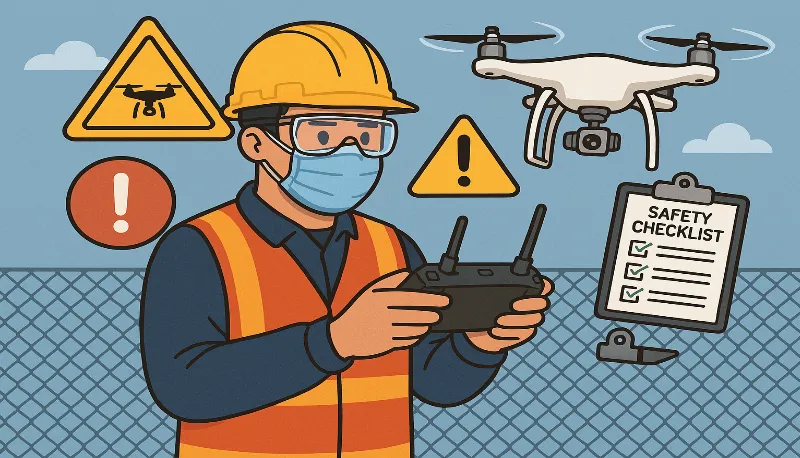
BVLOS operations involve greater risks and responsibilities. Always prioritize safety, conduct thorough pre-flight checks, and comply with all regulatory requirements. When in doubt, consult your national aviation authority or official EASA documentation.Disclaimer
This FAQ is for educational purposes and does not constitute legal advice. Regulations may change—always verify with official sources. Consult EASA documentation and local aviation authorities for complete requirements.For more drone operation tips and regulatory insights, explore 120mAGL.com .

About the Author
Roberto Gramellini
Aviation expert and UAS regulations specialist with extensive experience in EASA compliance and drone operations. Passionate about making complex regulations accessible to drone pilots across Europe.
EASA UAS Regulations
ENAC Italian Compliance
Drone Safety Procedures
Aviation Law
Remote Pilot Training
EASA Regulatory Compliance Notice
This content is for educational purposes only and is based on EASA regulations current at the time of generation.
Always consult the official EASA documentation and your local aviation authorities for the most current regulations and legal compliance requirements before operating any UAS.