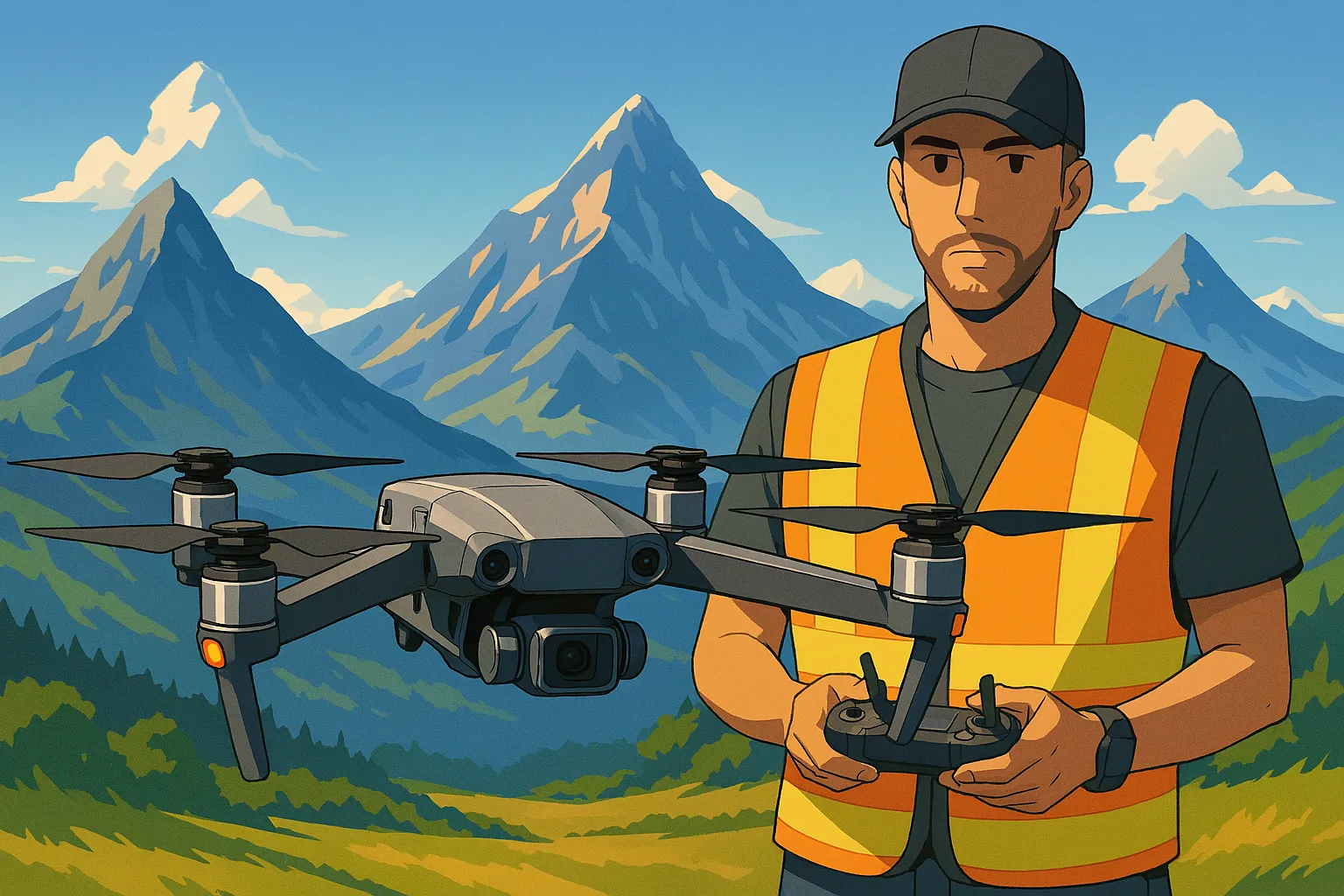
Maintenance and Inspection of Drones: A Comprehensive Guide for European Pilots
Maintenance and Inspection of Drones: A Comprehensive Guide for European Pilots
When was the last time you thoroughly inspected your drone before takeoff? For many pilots, routine maintenance and inspection often take a backseat to the excitement of flying. But proper care isn't just good practice—it's a critical safety requirement, especially under European Union Aviation Safety Agency (EASA) regulations.
Welcome to 120mAGL.com, your trusted source for European drone regulations. Today, we’re diving deep into drone maintenance and inspection, explaining the requirements, practical steps, and common challenges to help you fly safely and legally. Whether you're a recreational flyer or a commercial operator, this guide will equip you with everything you need to keep your drone in top condition and stay compliant with the law.
Why Drone Maintenance Matters
Safety First
A drone malfunction mid-flight can lead to accidents, property damage, or injuries. Proper maintenance minimizes the risk of mechanical failures, ensuring a safe flight every time.Regulatory Compliance
European drone regulations under EASA mandate that drones are kept airworthy and safe to operate. Neglecting maintenance could result in non-compliance penalties, grounding your operations.Performance Optimization
A well-maintained drone performs better, delivers higher-quality results, and extends its operational lifespan—saving you money in the long run.EASA Requirements for Drone Maintenance
EASA regulations provide clear guidance for maintaining drones. While specific articles on maintenance were not provided in the source material, here’s a breakdown of general best practices based on EASA’s approach to safety and operational readiness.
Routine Inspections
Drone pilots must inspect their aircraft before each flight. This includes checking:- ▸Battery health: Ensure batteries are fully charged and free of damage.
- ▸Propellers: Look for cracks, chips, or wear that could compromise flight stability.
- ▸Body/frame: Inspect for structural integrity and signs of damage.
- ▸Sensors and cameras: Confirm all sensors and cameras are clean and functional.
Scheduled Maintenance
Beyond pre-flight checks, manufacturers often recommend periodic maintenance schedules. Follow these guidelines strictly to ensure your drone remains compliant with safety standards.Repair and Replacement
Damaged components should be repaired or replaced promptly. Always use manufacturer-approved parts to ensure compatibility and reliability.Practical Application: How to Maintain Your Drone
Step-by-Step Pre-Flight Inspection
- Battery Check: Verify charge levels and inspect for swelling or leaks.
- Propeller Examination: Rotate each propeller manually to ensure smooth movement; replace any damaged ones.
- Body Inspection: Check for visible cracks or loose parts on the drone’s frame.
- Sensor Test: Ensure all sensors are unobstructed and functioning correctly.
- Firmware Updates: Confirm the drone’s software is up-to-date for optimal performance.
Post-Flight Maintenance Tips
- ▸Clean Your Drone: Remove dirt, dust, and debris from the frame and sensors.
- ▸Check for Wear: Inspect the aircraft for any wear caused by the flight.
- ▸Log Flight Details: Record any unusual flight behavior for troubleshooting later.
Common Questions and Challenges
What Happens If I Don’t Perform Maintenance?
Neglecting drone maintenance can lead to mechanical failures, non-compliance fines, and even accidents. For example, a damaged propeller could cause your drone to lose stability mid-flight, potentially leading to injury or property damage.Do I Need to Keep Maintenance Records?
While EASA regulations don’t explicitly require maintenance logs in the provided references, keeping detailed records is a best practice. Documenting inspections, repairs, and updates can help prove compliance and identify recurring issues.Can I Use Third-Party Parts for Repairs?
It’s always best to use manufacturer-approved components. Third-party parts may void warranties or fail to meet safety standards.Case Studies and Examples
Example 1: Aerial Photographer’s Pre-Flight Routine
An aerial photographer operating a DJI Mavic 3 noticed cracks in one of the propellers during a pre-flight inspection. By replacing the propeller before takeoff, they avoided a potential crash that could have damaged expensive camera equipment.Example 2: Commercial Drone Operator’s Maintenance Schedule
A drone operator conducting agricultural surveys uses a maintenance checklist after every 10 flights. This includes cleaning sensors, updating firmware, and inspecting the frame. These proactive measures ensure uninterrupted operations and compliance with EASA safety standards.Compliance Checklist
Pre-Flight
- ▸Inspect battery, propellers, and sensors.
- ▸Check for structural damage.
- ▸Confirm firmware is up-to-date.
Post-Flight
- ▸Clean and store the drone properly.
- ▸Record flight details and note any issues.
Periodic Maintenance
- ▸Follow manufacturer-recommended schedules.
- ▸Replace worn or damaged components.
- ▸Update software regularly.
Key Takeaways
- Safety Is Paramount: Regular maintenance prevents accidents and ensures safe operation.
- Follow EASA Guidelines: Always comply with regulations to avoid fines or penalties.
- Maintain Records: Document inspections and repairs for accountability.
- Use Approved Parts: Stick to manufacturer-approved components for reliability.
- Stay Proactive: Periodic checks and updates extend your drone’s lifespan.
Frequently Asked Questions
Q: What’s the 120m AGL limit, and does maintenance affect compliance?
A: The 120m AGL (Above Ground Level) limit is the maximum altitude for drone operations in Europe. While maintenance doesn’t directly impact this limit, a malfunctioning drone could compromise your ability to safely adhere to operational rules.Q: Can I perform repairs myself?
A: Minor repairs, such as replacing propellers, can be done by the pilot. For major issues, consult the manufacturer or a certified technician.Q: How often should I perform a detailed inspection?
A: Follow your drone manufacturer’s guidelines, typically after every 10-20 flights or monthly, depending on usage.Q: What tools are needed for maintenance?
A: Basic tools include screwdrivers, cleaning supplies, and spare parts. Advanced maintenance may require diagnostic software provided by the manufacturer.Q: Are software updates part of maintenance?
A: Yes, firmware updates ensure your drone remains compatible with operational requirements and improves performance.Conclusion
Drone maintenance is more than a routine task—it’s an essential part of safe and compliant operations. By following the guidance in this article, you can ensure your drone remains in peak condition, minimizing risks and maximizing performance.
At 120mAGL.com, we’re committed to helping European pilots stay informed and prepared. Bookmark this guide and revisit it whenever you need clarity on drone maintenance or inspection procedures.
Further Resources
- ▸EASA Drone Regulations: Visit Official EASA Documentation
- ▸120mAGL Articles:
- ▹
- ▹
- ▹
Disclaimer
Always verify the latest regulations directly with EASA or your local aviation authority. Rules may change, and compliance is the pilot’s responsibility.Fly safe, fly smart, and keep your drone ready for the skies!

About the Author
Roberto Gramellini
Aviation expert and UAS regulations specialist with extensive experience in EASA compliance and drone operations. Passionate about making complex regulations accessible to drone pilots across Europe.
EASA Regulatory Compliance Notice
This content is for educational purposes only and is based on EASA regulations current at the time of generation.
Always consult the official EASA documentation and your local aviation authorities for the most current regulations and legal compliance requirements before operating any UAS.