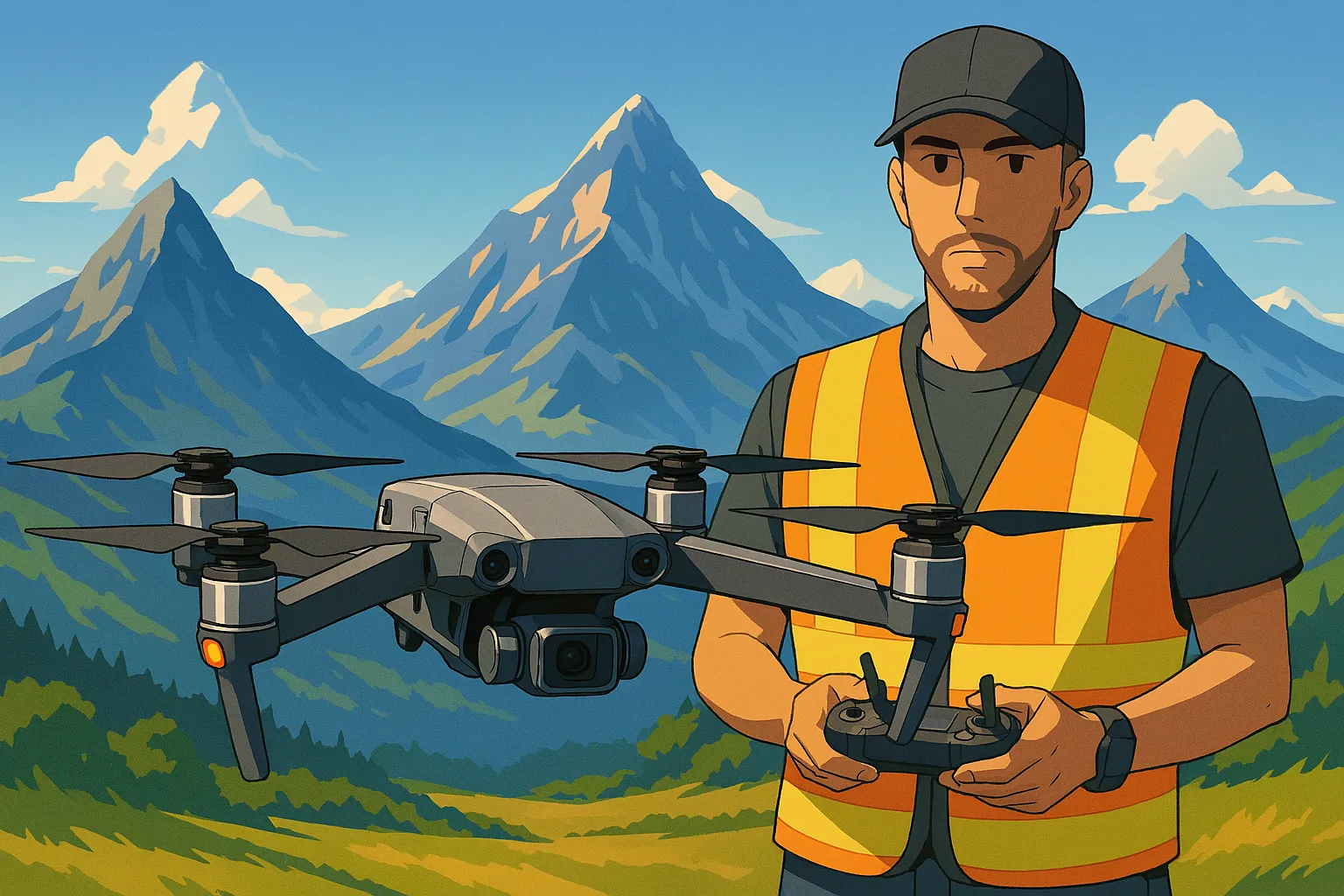
Flying Drones in National Parks and Protected Areas: A Comprehensive Guide
Flying Drones in National Parks and Protected Areas: A Comprehensive Guide
SEO Title: Drone Rules in National Parks: EASA Guide
Introduction: Are You Flying Legally in Protected Areas?
Imagine this: A stunning landscape unfolds before you, the golden hues of a sunset bathing the serene surroundings of a national park. You reach for your drone, eager to capture the moment from above. But are you allowed to fly here?
Flying drones in national parks and protected areas across Europe is a common interest for drone enthusiasts, yet it’s also one of the most regulated activities in unmanned aircraft systems (UAS) operations. Missteps can lead to hefty fines, confiscation of equipment, or even legal action.
At 120mAGL, our mission is to empower drone pilots with accessible, actionable guidance on European drone regulations. This article provides a definitive guide to flying drones in national parks and protected areas, covering everything you need to know about compliance, safety, and responsible operation.
We’ll explore:- ▸Why these regulations exist
- ▸Detailed operational requirements for national parks and protected areas
- ▸Practical examples of real-world applications
- ▸Common misconceptions and how to avoid them
- ▸Step-by-step compliance checklists
Let’s ensure your next flight in protected areas is safe, legal, and enjoyable.
Overview and Background: Why Are Protected Areas Regulated?
The Importance of Regulations
European national parks and protected areas are designated to preserve biodiversity, cultural heritage, and natural landscapes. They often host sensitive wildlife habitats, endangered species, and ecosystems that can be disrupted by drones. Noise pollution, visual disturbance, and potential collisions with birds are just some of the risks posed by unmanned aircraft systems.
To mitigate these risks, the European Union Aviation Safety Agency (EASA) has established stringent rules for drone operations in such areas, aligning with conservation goals and airspace management policies.
Detailed Requirements: Breaking Down EASA Drone Regulations
General Rules for Protected Areas
Drone pilots must comply with EASA’s overarching rules for unmanned aircraft systems (UAS). These include staying within the 120m altitude limit to ensure safe operations in shared airspace(Reg 2019/947 Art. 4). Additionally:
- ▸Do not fly in restricted areas: Many national parks and protected zones are classified as “restricted airspace,” where drone activity is prohibited unless special authorization is granted
(Reg 2019/947 Art. 5). - ▸Avoid disturbing wildlife: Operating drones near sensitive habitats may breach conservation laws.
- ▸Respect local regulations: Member states may impose additional restrictions on drone use in national parks.
Specific Requirements for Authorization
Flying in restricted airspace requires obtaining prior authorization from the relevant aviation authority(Reg 2019/947 Art. 5). The application process typically includes:
- Submitting flight details: Include your drone’s specifications, intended flight path, and purpose.
- Demonstrating risk mitigation: Provide a plan to minimize risks to wildlife, visitors, and other airspace users.
- Receiving approval: Operate only after the authorization is issued.
Practical Application: How to Fly Responsibly
Example 1: Photography in a National Park
A professional photographer wants to use a drone to capture aerial shots of a European national park. Before flying:- Research the park’s rules: Many parks prohibit drones entirely, while others allow flights with prior authorization.
- Obtain necessary permits: If the park requires authorization, contact the local aviation authority.
- Plan your flight: Ensure the drone remains within the 120m altitude limit
(Reg 2019/947 Art. 4)and avoid areas with high visitor traffic or sensitive wildlife habitats.
Example 2: Scientific Research in Protected Areas
A research team conducting environmental studies needs drone footage to monitor ecosystems. Here’s how they comply:- Apply for restricted airspace authorization: The team submits a detailed application under
(Reg 2019/947 Art. 5). - Coordinate with park authorities: They work with conservation experts to identify safe flight zones.
- Follow operational limitations: The drone is flown during low-traffic hours to minimize disturbance.
Common Questions and Challenges
Q1: Can I fly my drone in any national park?
A: No, most national parks prohibit drones entirely unless special authorization is granted(Reg 2019/947 Art. 5). Always check the specific park’s rules.
Q2: What happens if I fly without authorization?
A: Unauthorized flights can result in fines, confiscation of your drone, or legal penalties.Q3: How do I know if an area is restricted?
A: Use online tools like EASA’s UAS geographical zones map or local aviation authority resources to identify restricted areas.Q4: Are recreational flights treated differently from commercial ones?
A: Regulations apply to all flights, but commercial operators may face stricter requirements.Compliance Checklist: Step-by-Step Guide
Follow these steps to ensure compliance when flying in protected areas:- Research local regulations: Check the specific rules for the area.
- Identify restricted zones: Use official maps to confirm airspace status.
- Apply for authorization: Submit your flight plan to the relevant aviation authority
(Reg 2019/947 Art. 5). - Plan your flight: Stay within the 120m altitude limit
(Reg 2019/947 Art. 4). - Operate safely: Avoid disturbing wildlife and visitors.
Case Studies
Case Study 1: Aerial Videography in a Coastal Reserve
A filmmaker wanted footage of a protected coastline. They applied for authorization under (Reg 2019/947 Art. 5) and collaborated with conservationists to ensure minimal impact. Their flight was approved, and they captured stunning footage without disturbing the environment.
Case Study 2: Unauthorized Flight in a Forest Reserve
An amateur pilot flew their drone in a restricted forest reserve without authorization. Rangers confiscated the drone, and the pilot faced a €2,000 fine. This highlights the importance of understanding regulations.
Summary: Key Takeaways
- ▸Check local rules: National parks and protected areas often prohibit drones unless authorized.
- ▸Obtain permits: Apply for restricted airspace authorization
(Reg 2019/947 Art. 5). - ▸Respect the 120m limit: Stay within altitude restrictions
(Reg 2019/947 Art. 4). - ▸Operate responsibly: Avoid disturbing wildlife and visitors.
- ▸Plan ahead: Research, prepare, and comply for safe and legal flights.
Additional Resources
- ▸
- ▸
- ▸
Final Thoughts
Flying drones in national parks and protected areas requires careful planning and strict compliance with EASA regulations. By understanding the rules and acting responsibly, you can capture breathtaking aerial footage while preserving the beauty and integrity of Europe’s natural landscapes.
Stay informed, stay safe, and fly responsibly with 120mAGL—your trusted source for European drone regulations.
Disclaimer: Regulations may change over time. Always refer to official EASA sources for the latest updates.

About the Author
Roberto Gramellini
Aviation expert and UAS regulations specialist with extensive experience in EASA compliance and drone operations. Passionate about making complex regulations accessible to drone pilots across Europe.
EASA Regulatory Compliance Notice
This content is for educational purposes only and is based on EASA regulations current at the time of generation.
Always consult the official EASA documentation and your local aviation authorities for the most current regulations and legal compliance requirements before operating any UAS.