FAQ: FAA Part 107 Certification for European Drone Pilots
FAQ: FAA Part 107 Certification for European Drone Pilots
The FAA Part 107 Certification is a U.S.-specific regulation governing the operation of small unmanned aircraft systems (sUAS) for commercial purposes. Although European drone pilots operate under EASA regulations, understanding FAA Part 107 is essential for those planning to fly in the United States. Below are answers to the most frequently asked questions about FAA Part 107 certification tailored for European drone pilots.
1. Do I need FAA Part 107 Certification to fly a drone commercially in the United States?
Yes, anyone flying a drone commercially in the U.S. must hold an FAA Part 107 Remote Pilot Certificate. This includes European pilots traveling to the U.S. for commercial drone operations. To obtain the certificate, you must:
- ▸Pass the FAA Part 107 Knowledge Test at an approved testing center.
- ▸Be at least 16 years old.
- ▸Be able to read, speak, write, and understand English.
2. Can I use my EASA certification to fly commercially in the United States?
No, EASA certifications are not recognized for commercial operations in the United States. You must meet FAA requirements, including obtaining the Part 107 Remote Pilot Certificate.3. What types of operations are considered "commercial" under FAA Part 107?
Any drone operation where you are compensated, or the flight furthers a business interest, is considered commercial. Examples include:- ▸Aerial photography for real estate listings.
- ▸Drone inspections for construction sites.
- ▸Delivery services using drones.
4. What happens if I fly a drone commercially in the U.S. without FAA Part 107 certification?
Flying commercially without certification violates FAA regulations and can result in fines, legal penalties, and suspension of future drone operations. Always ensure you hold a valid FAA Remote Pilot Certificate before conducting commercial flights.5. How do I prepare for the FAA Part 107 Knowledge Test?
The FAA Part 107 test covers topics such as:- ▸Airspace classifications.
- ▸Weather patterns.
- ▸FAA regulations for sUAS operations.
- ▸Emergency procedures.
Study guides, online courses, and practice exams are widely available to help you prepare.
6. What are the altitude restrictions under FAA Part 107?
FAA regulations limit drone operations to a maximum altitude of 400 feet above ground level (AGL) unless operating within 400 feet of a structure. This is similar to EASA’s 120m (approximately 400 feet) altitude limit for most operations.
7. Can I fly near airports under FAA Part 107?
Flying near airports is restricted. You must obtain airspace authorization from the FAA through the Low Altitude Authorization and Notification Capability (LAANC) system for flights in controlled airspace.
Without authorization, flying near airports is prohibited. Violations can result in severe penalties.
8. Can I fly my drone Beyond Visual Line of Sight (BVLOS) under FAA Part 107?
BVLOS operations are not permitted under standard Part 107 regulations. All flights must remain within the visual line of sight of the remote pilot or a designated visual observer. To fly BVLOS, you would need a special waiver from the FAA.
9. Are there restrictions on flying at night under FAA Part 107?
Night operations are allowed under FAA Part 107, but the drone must be equipped with anti-collision lighting visible for at least 3 statute miles. Pilots must also have completed training on night operations.10. How does FAA Part 107 handle privacy concerns?
FAA Part 107 does not establish specific privacy rules but encourages pilots to respect individuals' privacy and comply with local, state, and federal laws governing privacy and surveillance.11. Can I fly over people under FAA Part 107?
Flying over people is prohibited unless:- ▸They are directly participating in the operation.
- ▸They are under a covered structure or inside a stationary vehicle.
- ▸The drone meets the requirements for Category 1, 2, 3, or 4 operations under FAA rules for flights over people.
12. What should I do if my drone malfunctions during a flight in the U.S.?
Immediately land the drone safely and report the incident to the FAA if required. Under FAA Part 107, you must follow emergency procedures to ensure the safety of people and property.13. Do I need insurance to fly a drone under FAA Part 107?
Insurance is not required under FAA regulations but is strongly recommended for commercial operations to protect against liability in case of accidents or property damage.14. How do I apply for a waiver for operations outside FAA Part 107 regulations?
Submit a waiver application through the FAA's DroneZone portal. Waivers may be granted for operations such as BVLOS, flights over people, or night operations, provided you demonstrate how you will mitigate risks.15. Where can I find official FAA resources for Part 107 certification?
Official FAA documentation, including the Part 107 Advisory Circular (AC 107-2A), is available on the FAA website. It provides detailed guidance on certification, operational requirements, and compliance.Safety Reminders
- ▸Always prioritize safety in every flight operation.
- ▸Verify local regulations when flying internationally.
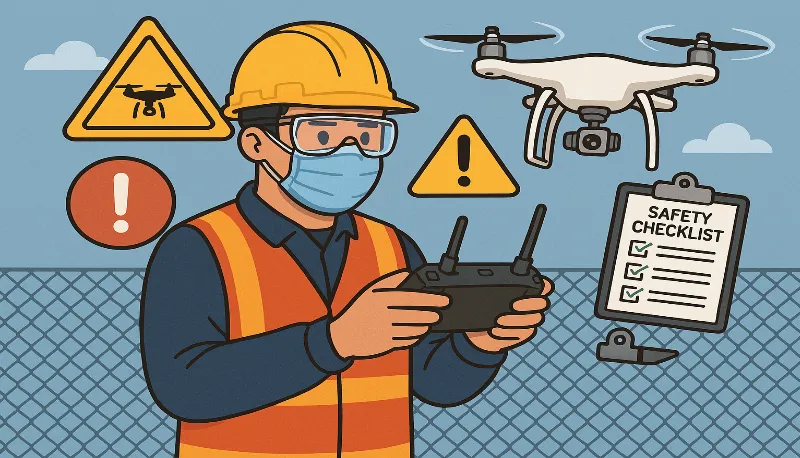
- ▸Conduct pre-flight checks and risk assessments before each operation.
- ▸Stay updated on both FAA and EASA regulations for cross-border operations.
For more detailed guidance, explore our resources on EASA drone regulations and cross-border drone operations at 120mAGL.com.

About the Author
Roberto Gramellini
Aviation expert and UAS regulations specialist with extensive experience in EASA compliance and drone operations. Passionate about making complex regulations accessible to drone pilots across Europe.
EASA Regulatory Compliance Notice
This content is for educational purposes only and is based on EASA regulations current at the time of generation.
Always consult the official EASA documentation and your local aviation authorities for the most current regulations and legal compliance requirements before operating any UAS.