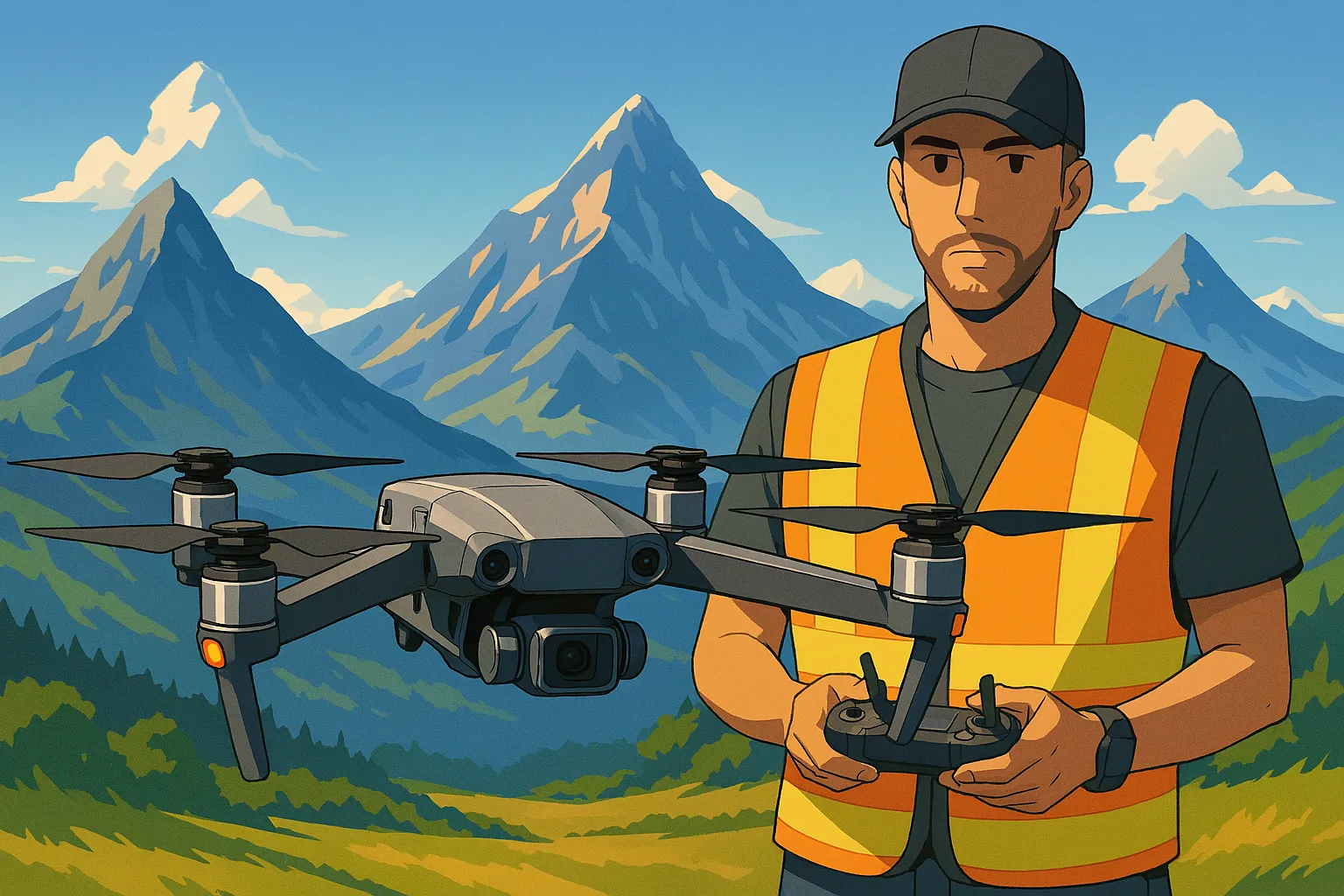
UK Drone Registration and Operator ID: Everything You Need to Know
UK Drone Registration and Operator ID: Everything You Need to Know
Fly Legally and Safely: A Comprehensive Guide for UK Drone Pilots
If you’re flying a drone in the UK, you’ve probably heard about the legal requirements surrounding registration and obtaining an Operator ID. But what does this mean for you as a pilot, and how do you ensure you comply with the Civil Aviation Authority (CAA) regulations? At 120mAGL.com, we specialize in making drone regulations simple, actionable, and accessible. In this guide, we’ll break down everything you need to know about UK drone registration, Operator IDs, and how to fly legally and safely under CAA rules. Whether you’re a recreational flyer capturing stunning aerial views or a commercial operator conducting building inspections, understanding these regulations is critical. Let’s dive into the details.Why is Drone Registration Necessary?
Drone registration exists to ensure accountability, safety, and compliance in the UK skies. As the popularity of drones has grown, so has the need for robust regulatory frameworks to prevent misuse, collisions, and breaches of privacy. The UK drone registration system, governed by the CAA, applies to most drones and model aircraft weighing between 250g and 20kg. This includes drones used recreationally and commercially.Key Reasons for Registration
- Accountability: Registration ensures every drone operator is identifiable, reducing unlawful activities.
- Safety: By tracking drones, authorities can manage airspace more effectively and mitigate risks to manned aviation.
- Compliance: It ensures pilots understand their responsibilities under UK Regulation (EU) 2019/947.
Who Needs to Register?
Operator ID
If you own a drone or model aircraft weighing 250g or more, or if your drone is equipped with a camera (regardless of weight), you must register as an operator and obtain an Operator ID.Flyer ID
If you plan to fly a drone, you must pass the Flyer ID test. This applies to drones of any weight if flown outdoors.Exceptions
- Drones under 250g without a camera, such as toy drones, do not require registration.
- Flying indoors does not require an Operator ID or Flyer ID.
Important: These requirements apply to both recreational and commercial pilots.
How to Register Your Drone
Step-by-Step Guide to Obtaining an Operator ID
- Visit the CAA Website: Registration is completed online via the CAA Drone Registration Portal .
- Create an Account: Provide your personal details, including your name and email address.
- Pay the Fee: The annual registration fee is £10.
- Receive Your Operator ID: Once registered, you will receive a unique Operator ID, valid for one year.
Step-by-Step Guide to Obtaining a Flyer ID
- Study the Drone Code: Familiarize yourself with the Drone and Model Aircraft Code , which outlines safe flying practices.
- Take the Test: Complete an online theory test consisting of multiple-choice questions.
- Pass the Test: A score of 16/20 or higher is required to pass.
- Receive Your Flyer ID: Upon passing, you’ll be issued a Flyer ID, valid for five years.
Displaying Your Operator ID
Once you’ve received your Operator ID, you must display it on your drone or model aircraft before flying.Requirements for Displaying the ID
- The ID must be visible and securely attached.
- Use a fireproof label or write directly on the drone.
- The ID must not be obstructed during flight.
Pro Tip: Use a durable label or sticker to ensure the ID remains legible over time, especially during outdoor flights.
Rules for Flying Your Drone
General Rules
- Maximum altitude: You must not fly higher than 120m (400ft) above ground level.
- Distance from people: Maintain a minimum distance of 50m from uninvolved people and 150m from large crowds.
- Line of sight: Always keep your drone within visual line of sight (VLOS).
- Restricted zones: Do not fly near airports, airfields, or restricted areas unless you have permission.
Additional Rules for Specific Categories
- Open Category: Recreational flying and basic operations with low-risk drones.
- Specific Category: Operations requiring a PDRA (Pre-Defined Risk Assessment) or Operational Authorisation.
Reminder: Always check the Drone Assist app for real-time updates on restricted zones and airspace conditions.
Common Misconceptions
“I only fly for fun. I don’t need to register my drone.”
False. Even recreational pilots are required to register if their drone weighs 250g or more or has a camera.“If I fly below 120m, I don’t need an Operator ID.”
False. The 120m limit is about altitude restrictions, not registration requirements.“Indoor flying requires registration.”
False. Indoor flights do not require registration as the drone does not enter UK airspace.Real-World Examples
Example 1: Recreational Photography
John owns a DJI Mini 2, which weighs 249g and has a camera. Since his drone has a camera, he must register as an operator and obtain an Operator ID. He also needs a Flyer ID to legally fly outdoors.Example 2: Commercial Inspections
Sarah uses a DJI Phantom 4 Pro for roof inspections. Her drone weighs more than 250g, so she needs an Operator ID. Additionally, she must secure an Operational Authorisation from the CAA under the Specific Category to conduct her flights near buildings.Compliance Checklist
Follow this step-by-step checklist to ensure full compliance with UK drone regulations:- Determine Drone Weight: Check if your drone weighs 250g or more.
- Check for Camera: If your drone has a camera, registration is required regardless of weight.
- Register as an Operator: Obtain your Operator ID online.
- Pass the Flyer ID Test: Study the Drone Code and complete the theory test.
- Display Operator ID: Attach the ID securely to your drone.
- Follow Flight Rules: Adhere to the 120m altitude limit and other safety regulations.
- Check Airspace: Use the Drone Assist app to avoid restricted zones.
- Conduct Risk Assessments: If operating in the Specific Category, complete a PDRA or obtain Operational Authorisation.
Frequently Asked Questions
1. What happens if I don’t register my drone?
Failure to register can result in fines up to £1,000 and potential criminal charges.2. Can I register multiple drones under one Operator ID?
Yes, one Operator ID can cover multiple drones, as long as they are all owned by the same person or entity.3. Do I need to renew my registration?
Yes, Operator IDs must be renewed annually. Flyer IDs are valid for five years.4. Can I fly my drone over people?
Flying over people is only allowed in the A1 sub-category of the Open Category, and your drone must weigh less than 250g.5. Is insurance required for drone operations?
Insurance is mandatory for commercial operations and strongly recommended for recreational pilots.6. How can I find training for the Flyer ID test?
The CAA website provides resources, including sample questions and the Drone Code, to prepare for the Flyer ID test.Key Takeaways
- Registration is mandatory for most drones weighing 250g or more or equipped with cameras.
- You need an Operator ID to own a drone and a Flyer ID to fly one outdoors.
- The 120m AGL limit applies to all drone flights in the UK.
- Always display your Operator ID visibly on your drone.
- Restricted airspace rules must be followed, and permissions obtained if necessary.
- Passing the Flyer ID test is required to demonstrate knowledge of UK drone laws.
Final Thoughts
Flying drones in the UK comes with responsibilities. By registering your drone, obtaining the required IDs, and following safety guidelines, you can enjoy your flights while staying compliant with CAA regulations. At 120mAGL.com, we’re here to help you navigate the rules, fly safely, and make the most of your drone experience. Remember, responsible flying protects you, others, and the future of drone aviation. For more detailed information, visit the CAA Drone Registration Portal and consult the Drone and Model Aircraft Code .Further Resources
- CAA Drone Registration Portal
- Drone and Model Aircraft Code
- CAP722: Unmanned Aircraft System Operations in UK Airspace
Disclaimer: Regulations are subject to change. Always refer to the official CAA website for the latest updates.
By following this guide, you’ll not only ensure compliance but also contribute to safer skies for everyone. Bookmark this page as your go-to resource for UK drone regulations, and fly responsibly!

About the Author
Roberto Gramellini
Aviation expert and UAS regulations specialist with extensive experience in EASA compliance and drone operations. Passionate about making complex regulations accessible to drone pilots across Europe.
EASA Regulatory Compliance Notice
This content is for educational purposes only and is based on EASA regulations current at the time of generation.
Always consult the official EASA documentation and your local aviation authorities for the most current regulations and legal compliance requirements before operating any UAS.