BlogPost
Maintenance and Inspection of Drones
6 min read
Drone Maintenance and Inspection: A Comprehensive Guide for FAA Pilots
Summary:
Drone Maintenance and Inspection: A Comprehensive Guide for FAA Pilots Flying Safe Starts Here: Essential Maintenance and Inspection Tips for Drone Pilots As a drone pilot operating under FAA regulations, ensuring your drone is in optimal condition isn't just a good practice—it's a regul...
Drone Maintenance and Inspection: A Comprehensive Guide for FAA Pilots
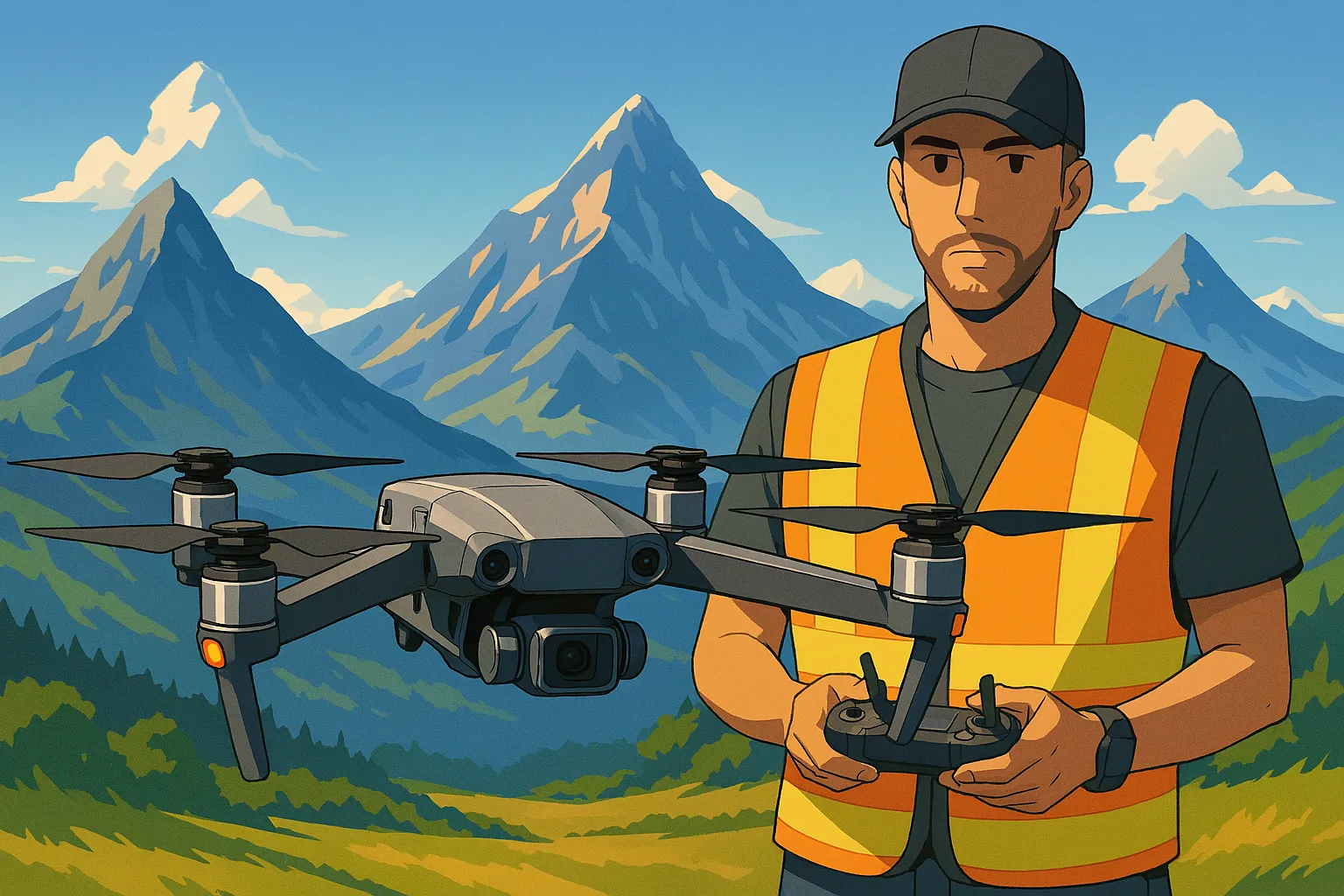
Flying Safe Starts Here: Essential Maintenance and Inspection Tips for Drone Pilots As a drone pilot operating under FAA regulations, ensuring your drone is in optimal condition isn't just a good practice—it's a regulatory requirement. Whether you're flying recreationally under 49 USC § 44809 or commercially under 14 CFR Part 107, proper maintenance and regular inspections are key to safe and compliant operations. At 120mAGL, we understand the importance of keeping your drone airworthy while staying within the 120-meter (400-foot) altitude limit. In this article, we provide comprehensive guidance on drone maintenance and inspection, breaking down FAA rules, practical applications, and best practices to ensure your flights are safe, legal, and efficient.Why Drone Maintenance Matters
Scenario: Imagine you're capturing aerial footage for a real estate client. Mid-flight, your drone suddenly loses power and crashes. Not only is your equipment damaged, but you’re also facing potential liability and FAA violations. Maintaining your drone isn’t just about preventing crashes—it’s about ensuring compliance with FAA regulations and protecting yourself, your equipment, and those around you.Regulatory Requirements for Maintenance
Under 14 CFR Part 107.15, the FAA mandates that the remote pilot in command (PIC) must ensure the unmanned aircraft is in a condition for safe operation before every flight. This includes:- Pre-flight inspections to identify any mechanical or electrical issues.
- Routine maintenance as recommended by the manufacturer.
- Record-keeping to document maintenance and inspection activities.
Understanding FAA Rules for Drone Maintenance
Key Regulatory Citations
- 14 CFR Part 107.15: PIC responsibility for safe operation.
- 14 CFR Part 107.19: Remote PIC operational authority and responsibilities.
- 49 USC § 44809: Recreational drone operations and safety guidelines.
Manufacturer Guidelines
The FAA emphasizes the importance of adhering to the manufacturer's maintenance instructions. Whether it's firmware updates, battery care, or mechanical checks, following these guidelines ensures your drone operates safely and within FAA standards.Practical Applications: Maintenance and Inspection Step-by-Step
Pre-Flight Checklist
Before every flight, perform a detailed inspection of your drone:- Visual Inspection
- Check for damage to the propellers, frame, and landing gear.
- Ensure the camera and sensors are securely attached.
- Battery Check
- Verify battery charge levels.
- Inspect for swelling or leaks.
- Firmware Updates
- Confirm the latest firmware is installed.
- Check for updates to your controller or app.
- Communication Systems
- Test the connection between your drone and remote controller.
- Verify GPS functionality.
Routine Maintenance
Routine maintenance is critical for long-term drone health. Follow these steps:- Propeller Replacement
- Replace propellers regularly to avoid wear and tear.
- Use manufacturer-approved replacements.
- Battery Care
- Store batteries at recommended temperatures.
- Use proper charging equipment to avoid overcharging.
- Sensor Calibration
- Regularly calibrate sensors for accurate flight performance.
- Check manufacturer guidelines for calibration frequency.
- Motor Cleaning
- Clean motors to remove debris and dirt.
- Inspect for unusual noises or reduced performance.
Common Questions and Challenges
Q: Do I need to keep maintenance records?
A: Yes, under 14 CFR Part 107.7, you should maintain records of your drone’s maintenance and inspection history. This helps demonstrate compliance and ensures accountability in case of an incident.Q: Can I perform maintenance myself?
A: Yes, as long as it complies with the manufacturer’s instructions. However, complex repairs may require professional assistance.Q: What if my drone crashes?
A: After any incident, inspect the drone for damage and perform necessary repairs before flying again. Document the crash and your corrective actions to stay compliant.Compliance Checklist
Step-by-Step Guide to FAA-Compliant Maintenance:- Follow Manufacturer Guidelines: Adhere to recommended maintenance schedules.
- Inspect Before Every Flight: Perform visual checks and functional tests.
- Document Activities: Keep detailed records of inspections and repairs.
- Respond to Issues: Address mechanical or software issues immediately.
- Stay Updated: Regularly update firmware and check for FAA policy changes.
Real-World Examples
Example 1: Aerial Photography
A commercial drone operator inspects their DJI Mavic 3 before a real estate shoot. During the pre-flight check, they notice a damaged propeller. The operator replaces the propeller, ensuring safe operation and compliance with 14 CFR Part 107.15.Example 2: Recreational Flying
A hobbyist flying under 49 USC § 44809 notices their drone's battery is swollen during routine maintenance. They replace the battery and document the issue, avoiding potential mid-flight failure.Key Takeaways
- Safety First: Proper maintenance prevents accidents and ensures FAA compliance.
- Manufacturer Guidelines: Follow these to keep your drone in optimal condition.
- Documentation: Maintain records of inspections and repairs for accountability.
- Pre-Flight Checks: Always inspect your drone before flying.
- Professional Help: Seek assistance for complex repairs when necessary.
Common Questions
Q: What happens if I fail to inspect my drone before flying? A: You risk violating 14 CFR Part 107.15 and could face penalties if an incident occurs. Q: Are firmware updates mandatory? A: While not explicitly required by the FAA, outdated firmware could lead to unsafe operations, making updates essential. Q: How often should I replace propellers? A: Replace them when visibly worn or after 50-100 flight hours, depending on manufacturer recommendations. Q: Can I fly after a minor crash? A: Only after inspecting and repairing the drone. Document the incident to stay compliant. Q: What are the consequences of flying a damaged drone? A: You risk equipment failure, FAA violations, and liability for damages or injuries.Conclusion
At 120mAGL, we’re committed to helping drone pilots fly safely and legally. By prioritizing maintenance and inspections, you can ensure your drone performs reliably while staying compliant with FAA regulations. For more resources, check out our guides on Part 107 compliance and recreational drone operations under 49 USC § 44809.Further Resources
Stay informed, fly responsibly, and remember: safe skies start with well-maintained drones.
About the Author
Roberto Gramellini
Aviation expert and UAS regulations specialist with extensive experience in EASA compliance and drone operations. Passionate about making complex regulations accessible to drone pilots across Europe.
EASA UAS Regulations
ENAC Italian Compliance
Drone Safety Procedures
Aviation Law
Remote Pilot Training
EASA Regulatory Compliance Notice
This content is for educational purposes only and is based on EASA regulations current at the time of generation.
Always consult the official EASA documentation and your local aviation authorities for the most current regulations and legal compliance requirements before operating any UAS.